
Google I/O Extended 2026, Milano
Tuesday 19 May 2026, Google Porta Nuova Isola. The I/O Extended watch party of GDG Milano and GDG Cloud Milano, back in Google's Milano office on Via Federico Confalonieri — the same building and the same room as last year, with 123 people in it this time.
Doors at half six, keynote from Shoreline at seven, and then the part that only works in person: a room of Android and web developers reacting out loud to Gemini 3.5, to a development platform that now writes and orchestrates agents, and to a migration tool that turns React Native into Kotlin — which, given where I was in 2023, landed differently for me than for most people in the room.
123people signed up
19.00keynote, live from Shoreline
6screens showing it at once
2ndyear in a row in this office
- GoogleIO
- Gemini 3.5
- Antigravity 2.0
- Agents
- Android CLI
- Kotlin
- WebMCP
- GDG Milano
- Milano
Three years of watching I/O from Milano
The Milano watch party has moved venue every couple of years, and got closer to the source: a partner's offices, then Google's own building, twice.
- 2024 Milano, BIP 14 May, in a consultancy's offices in Galleria de Cristoforis
- 2025 Milano, Google office 20 May, inside Google Porta Nuova Isola, 90 signed up
- 2026 Milano, Google office 19 May, same room as 2025 and half again as many people, 123 signed up
Isola, before seven
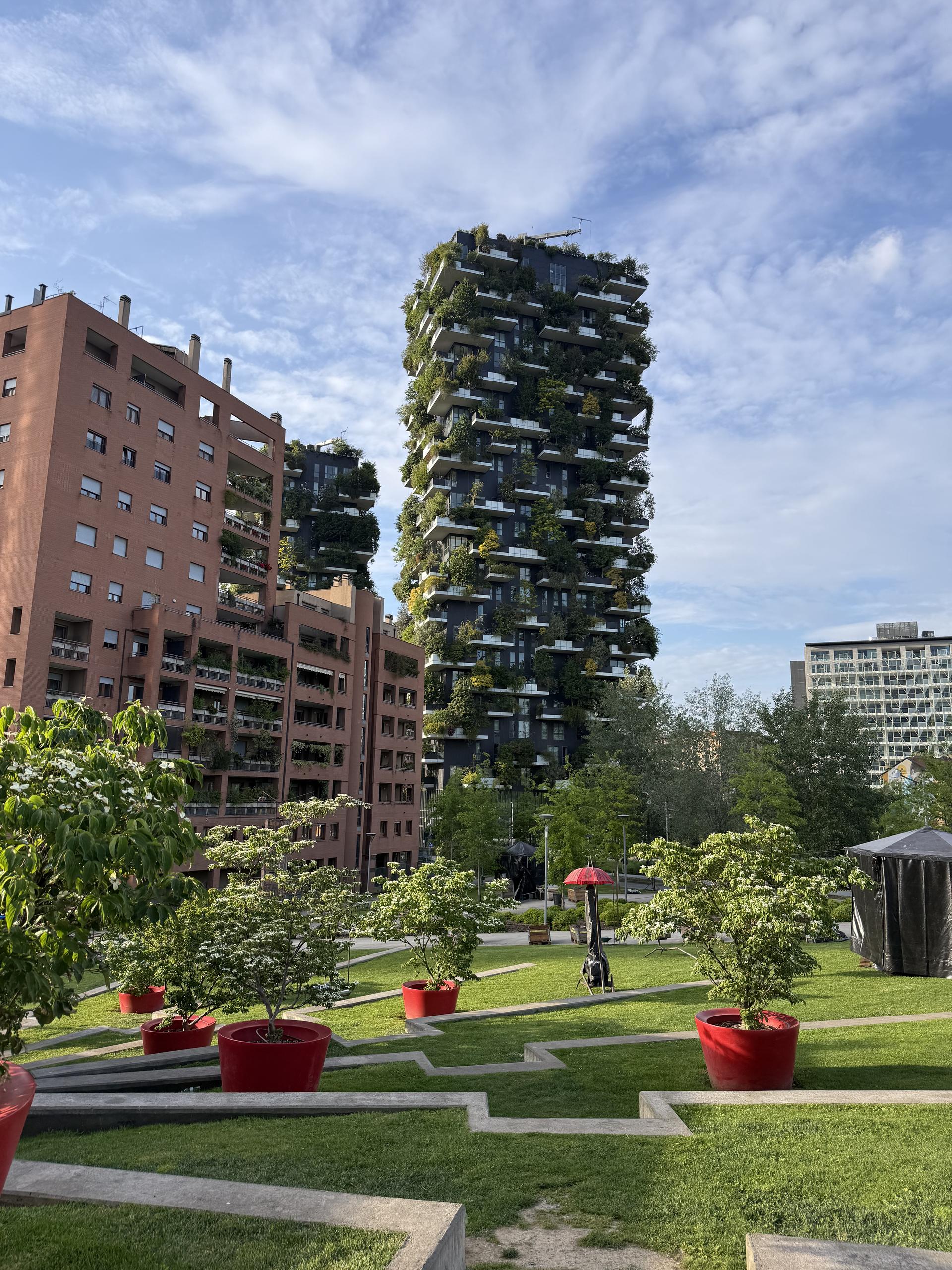
The office sits in Porta Nuova Isola, which means the walk in goes past the Bosco Verticale and the Unipol Tower curving over the park — one of the most photographed square kilometres in Milano, and a good thing to have on the way on a clear May evening. Then the same frosted glass doors as last year, with the logo on them.
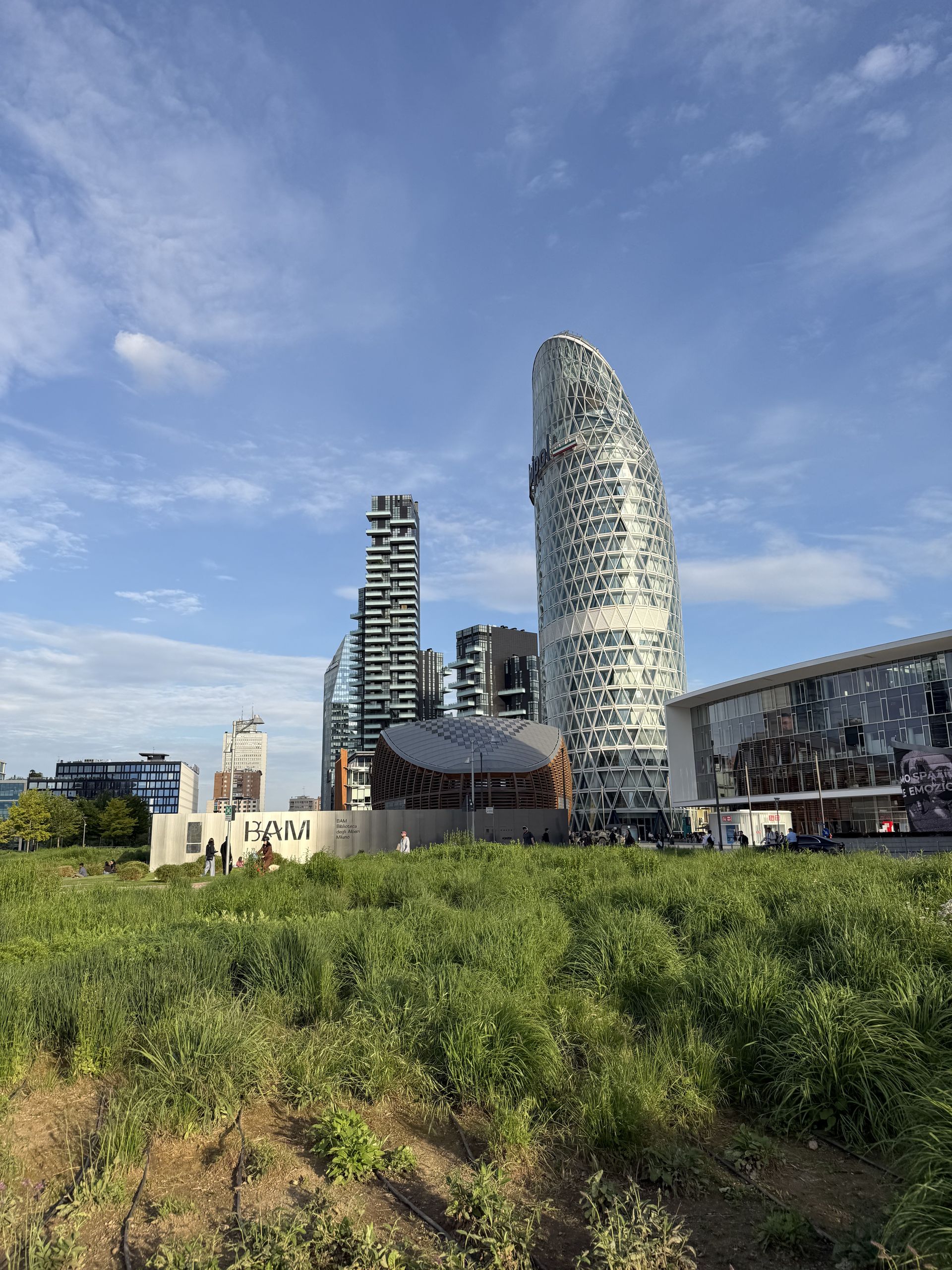
The Unipol Tower, over the park
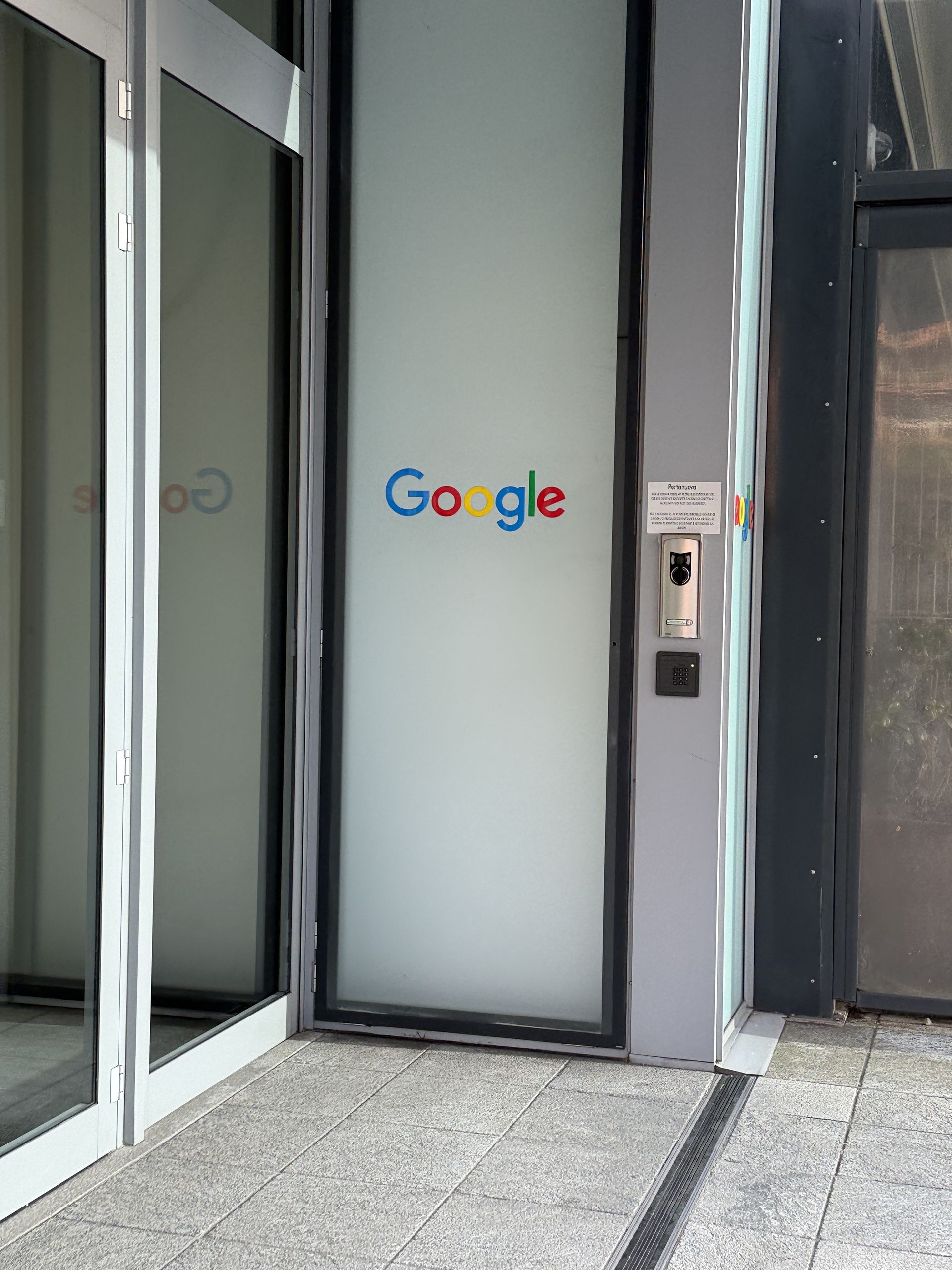
The frosted glass doors of Google Milano
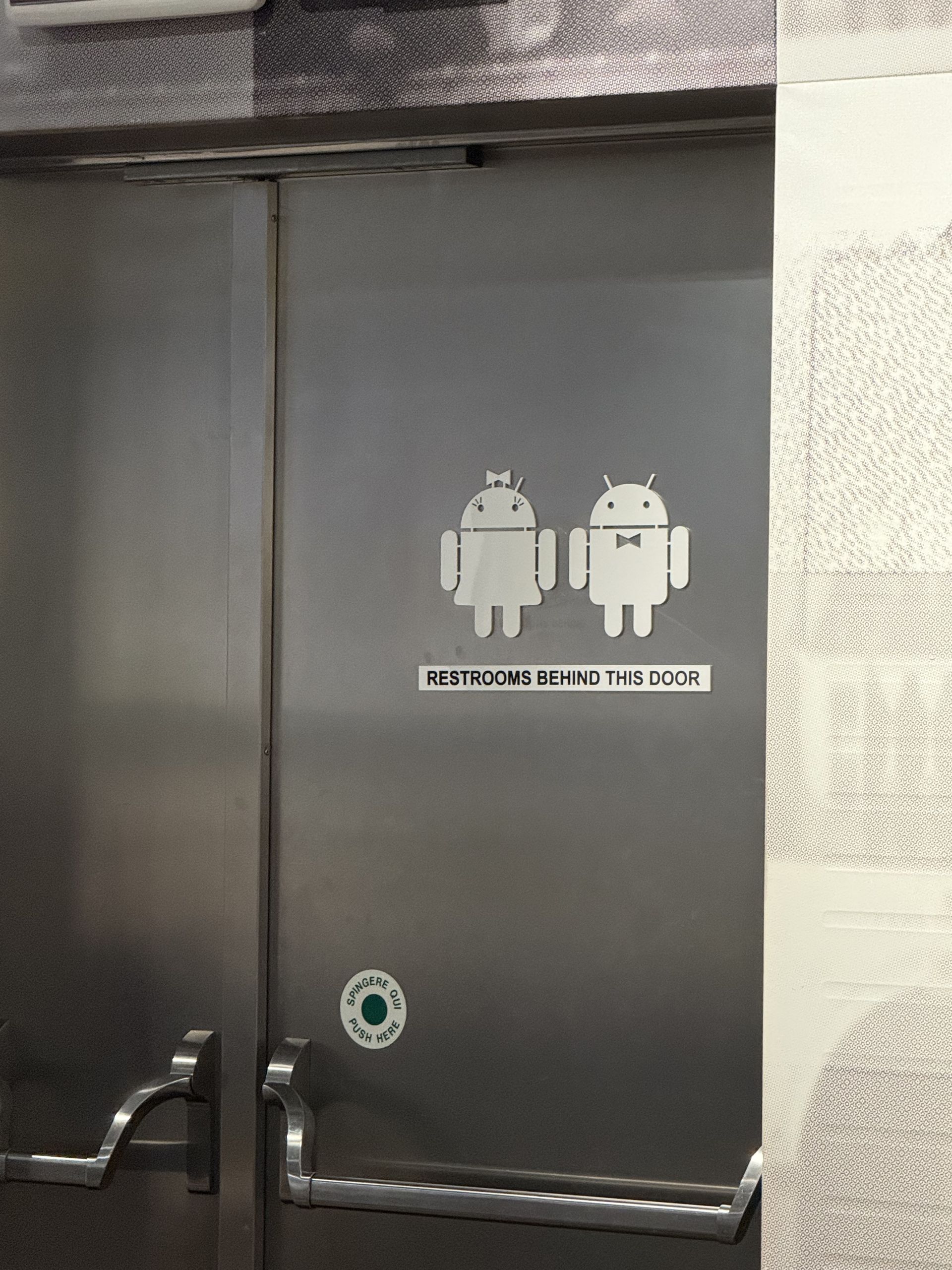
Two Android robots guarding the washrooms
The room, and its six screens
The same room as last year, and the same arrangement that makes it work: wooden floor, lighting truss across the ceiling, a low stage with two Google-coloured stools on it and six screens: four televisions along the top and two projections below them, all carrying the same feed so nobody has to crane. The difference from last year was how full it was: every chair taken well before the keynote started.
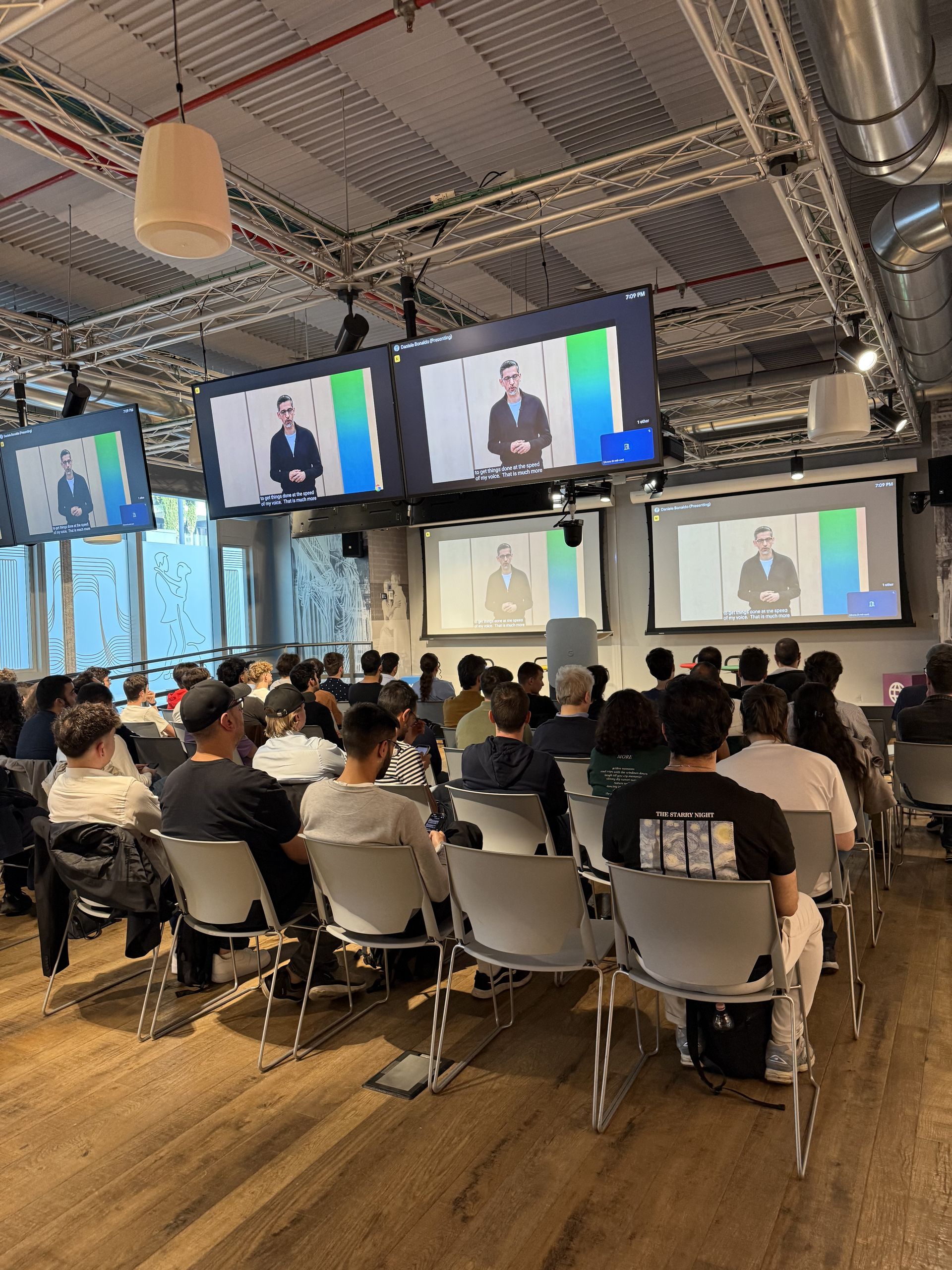
Four televisions above, two projections below
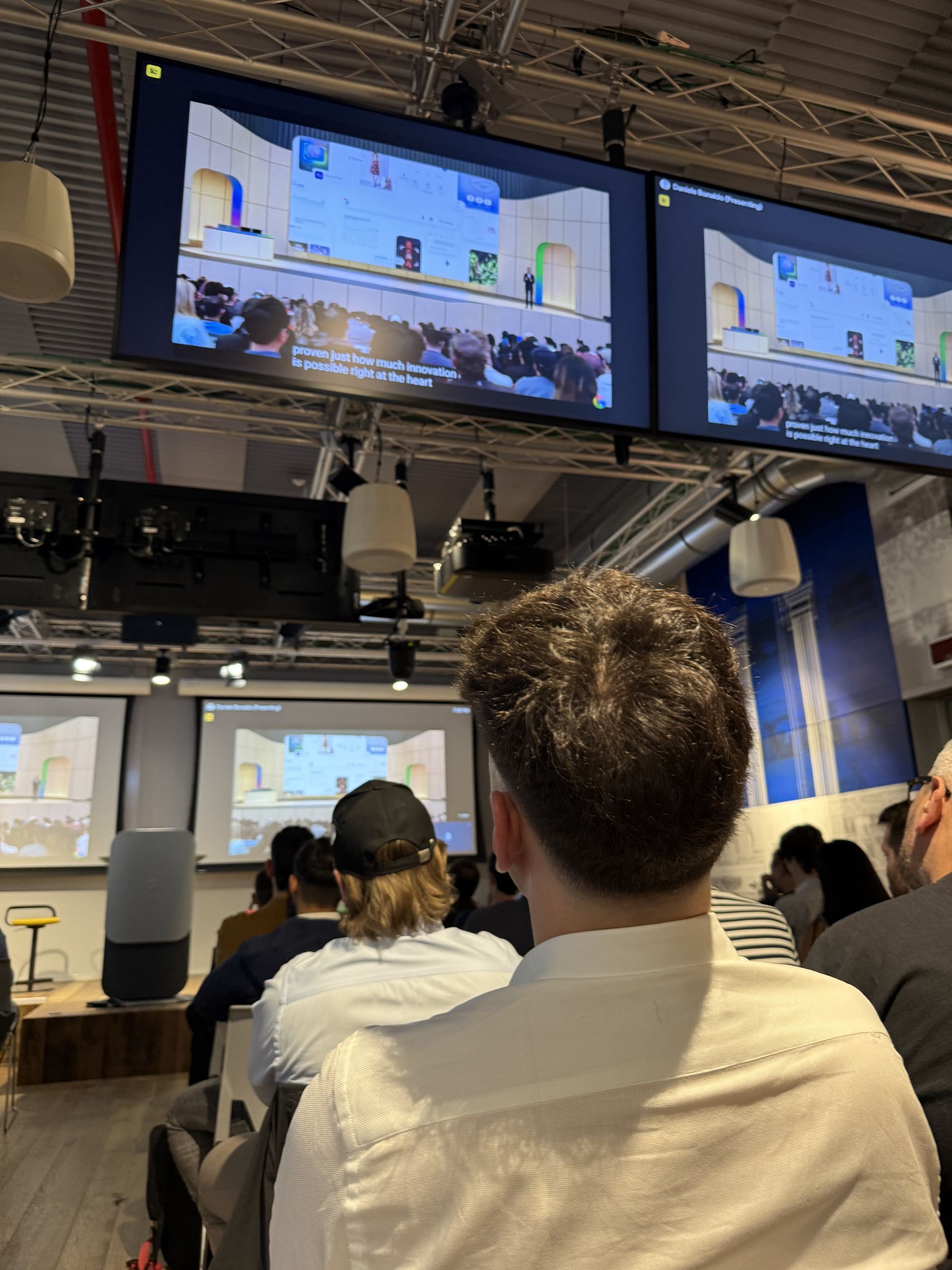
All six on the same feed
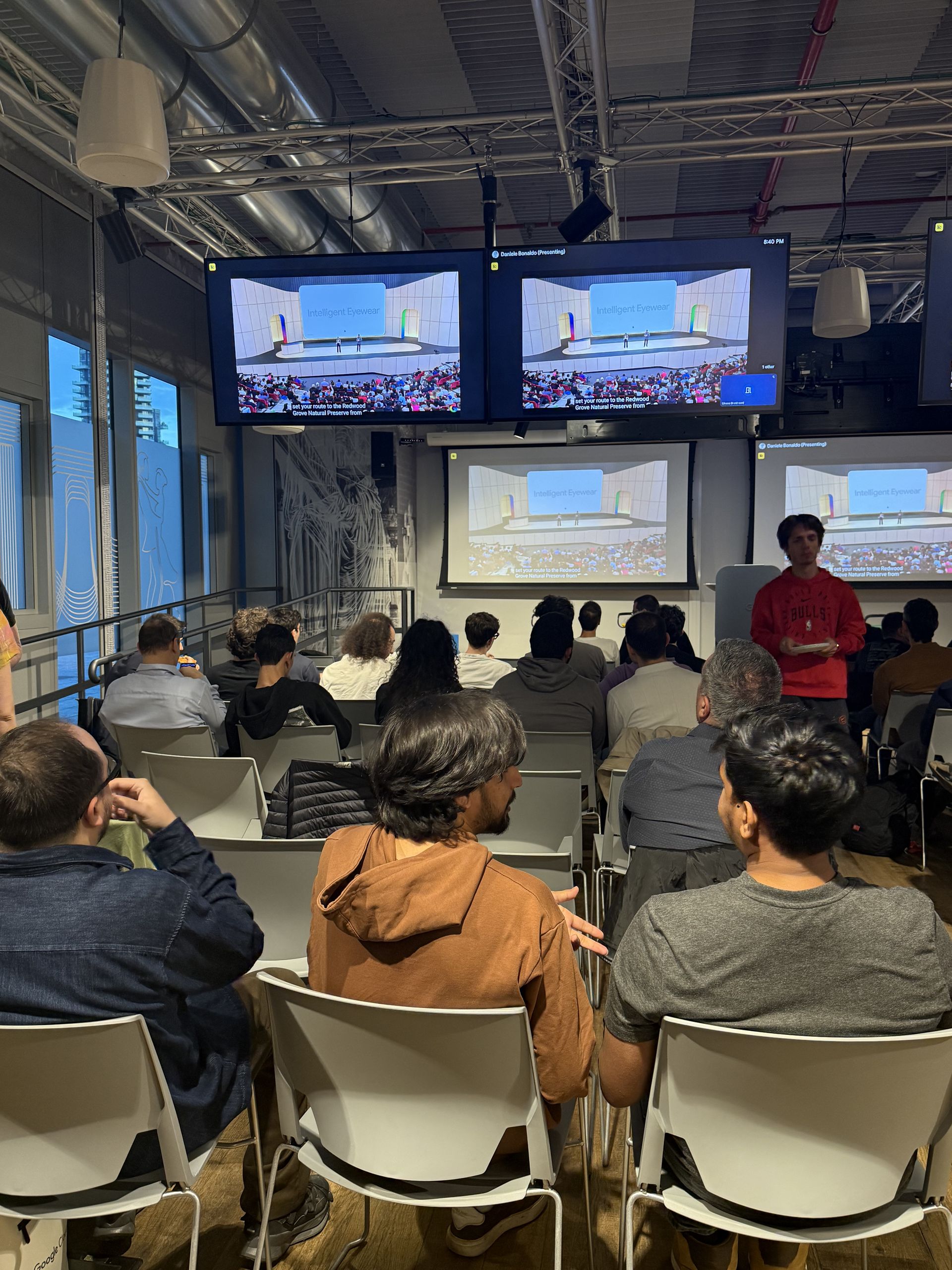
The GDG hosts, running the evening
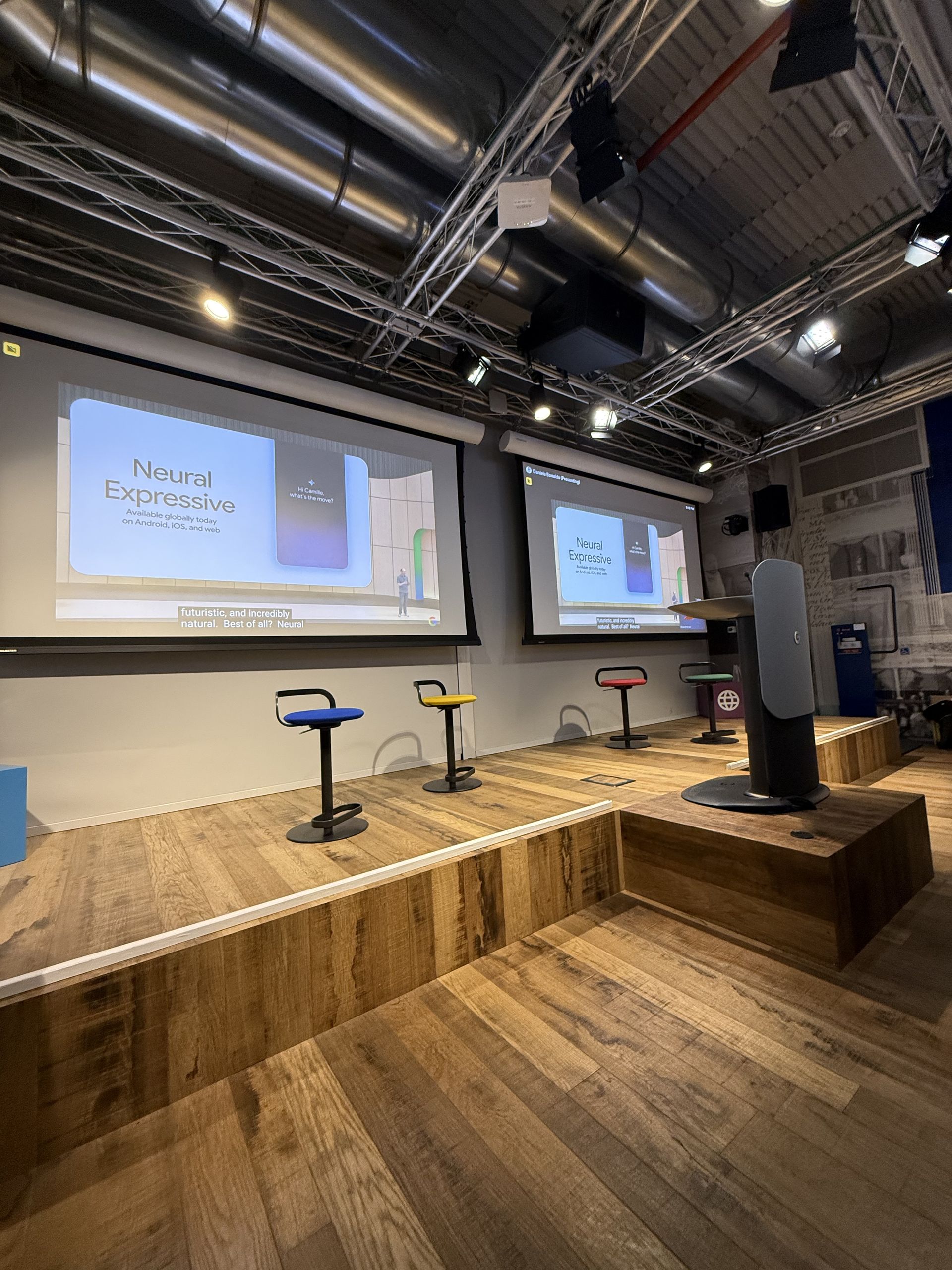
Two stools, waiting for the local part
The keynote
Two hours from Mountain View, and this year the centre of gravity had moved from "AI that answers" to agents that do. The headline was the Gemini 3.5 family, but for anyone who writes software the interesting half was the tooling around it: Antigravity 2.0, the agent-first development platform, gaining a CLI that orchestrates specialised subagents and an SDK to drive it programmatically; Managed Agents in the Gemini API so you do not stand up the infrastructure yourself; and AI Studio learning native Kotlin, so an Android app can be built by describing it.
On the Android side, the Android CLI went stable, which lets an agent reach into what used to be Android Studio's job; the Android skills were open-sourced so a model can be told how to do things the recommended way; and Android Bench arrived as a leaderboard for how well models actually perform Android tasks, Gemma 4 included. The web got WebMCP, a proposed standard for letting agents drive a page, in origin trial from Chrome 149, along with Chrome DevTools aimed at agents rather than people. And at the very end, the thing the room actually gasped at: intelligent eyewear, shipping in the autumn.
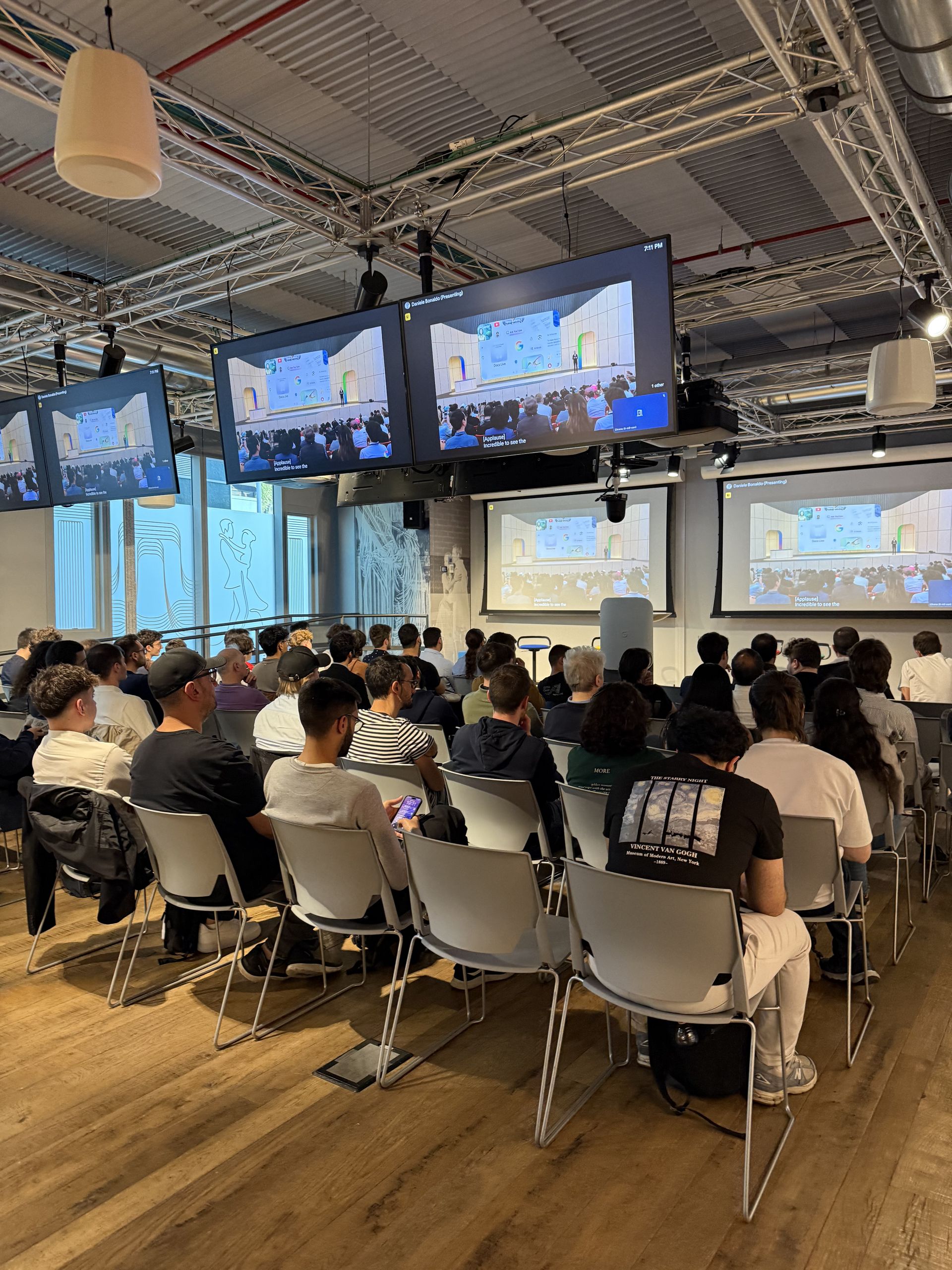
Seven o'clock, lights down
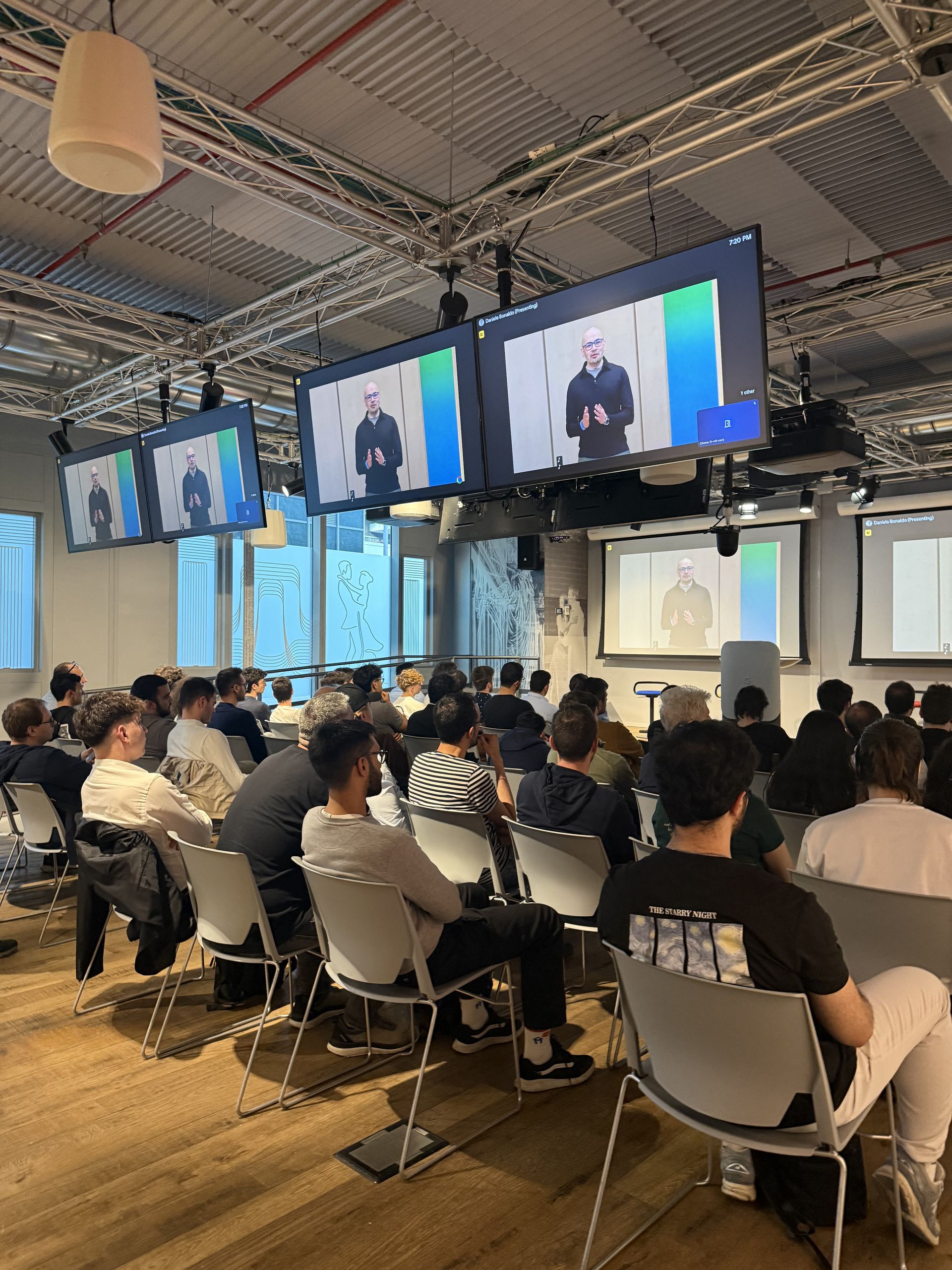
Shoreline, on all six screens
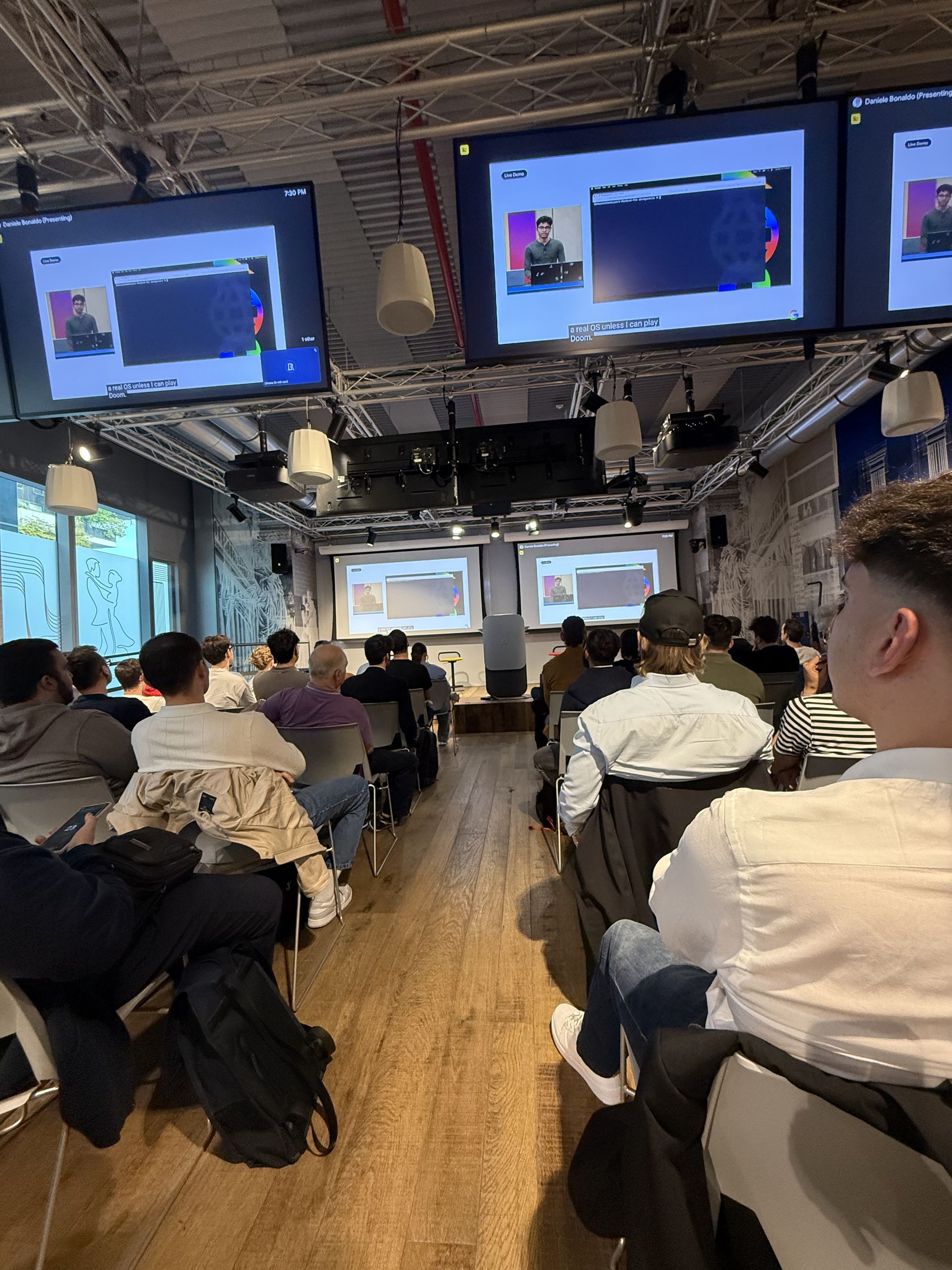
A demo, on a phone, on a screen, in Milano
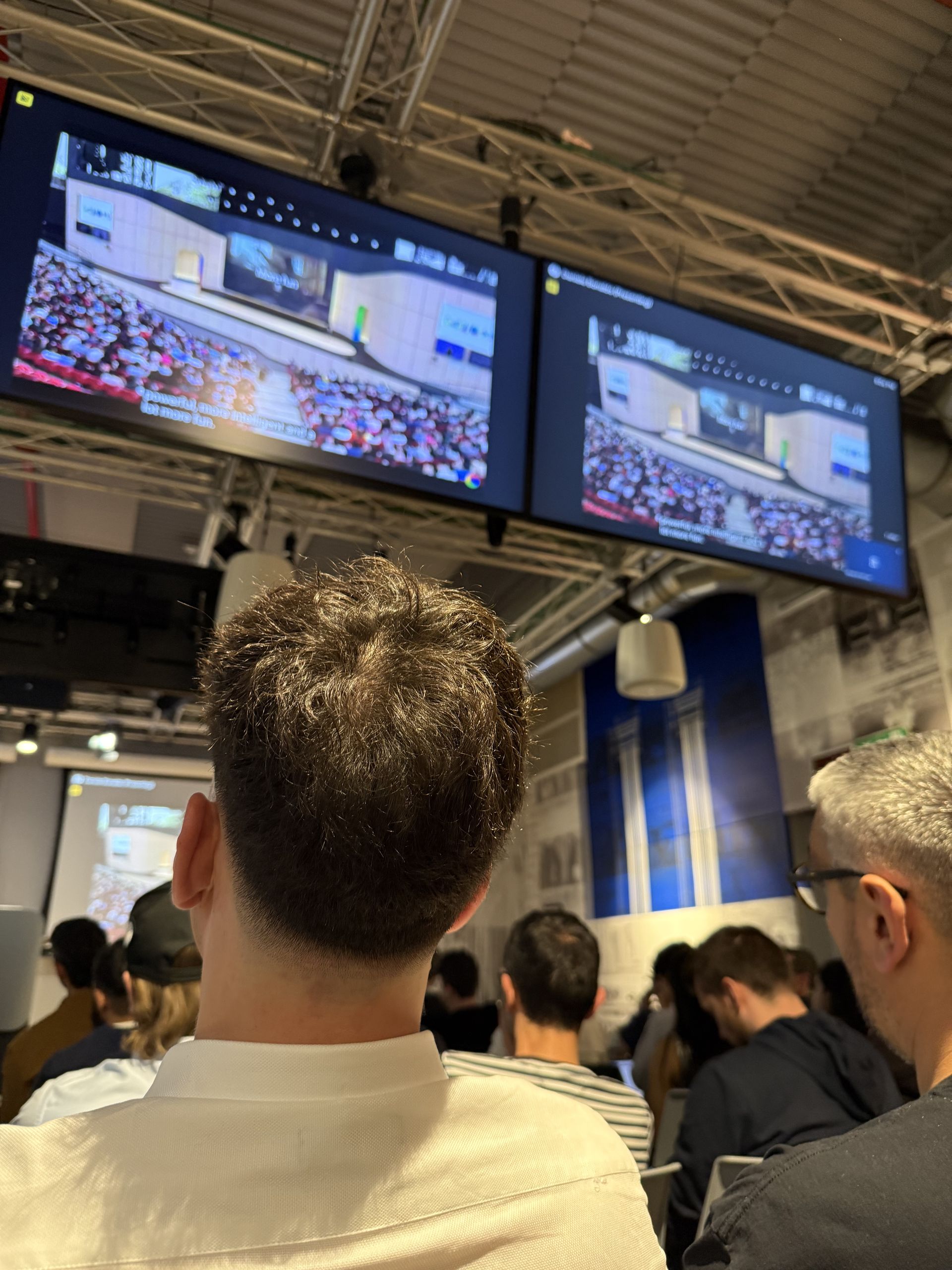
Their crowd, watched by ours
"Neural Expressive"
Neural Expressive, demoed inside the Gemini app and "available globally today on Android, iOS, and web". On the second screen, the feed being shared into the room from a laptop, live captions and all.
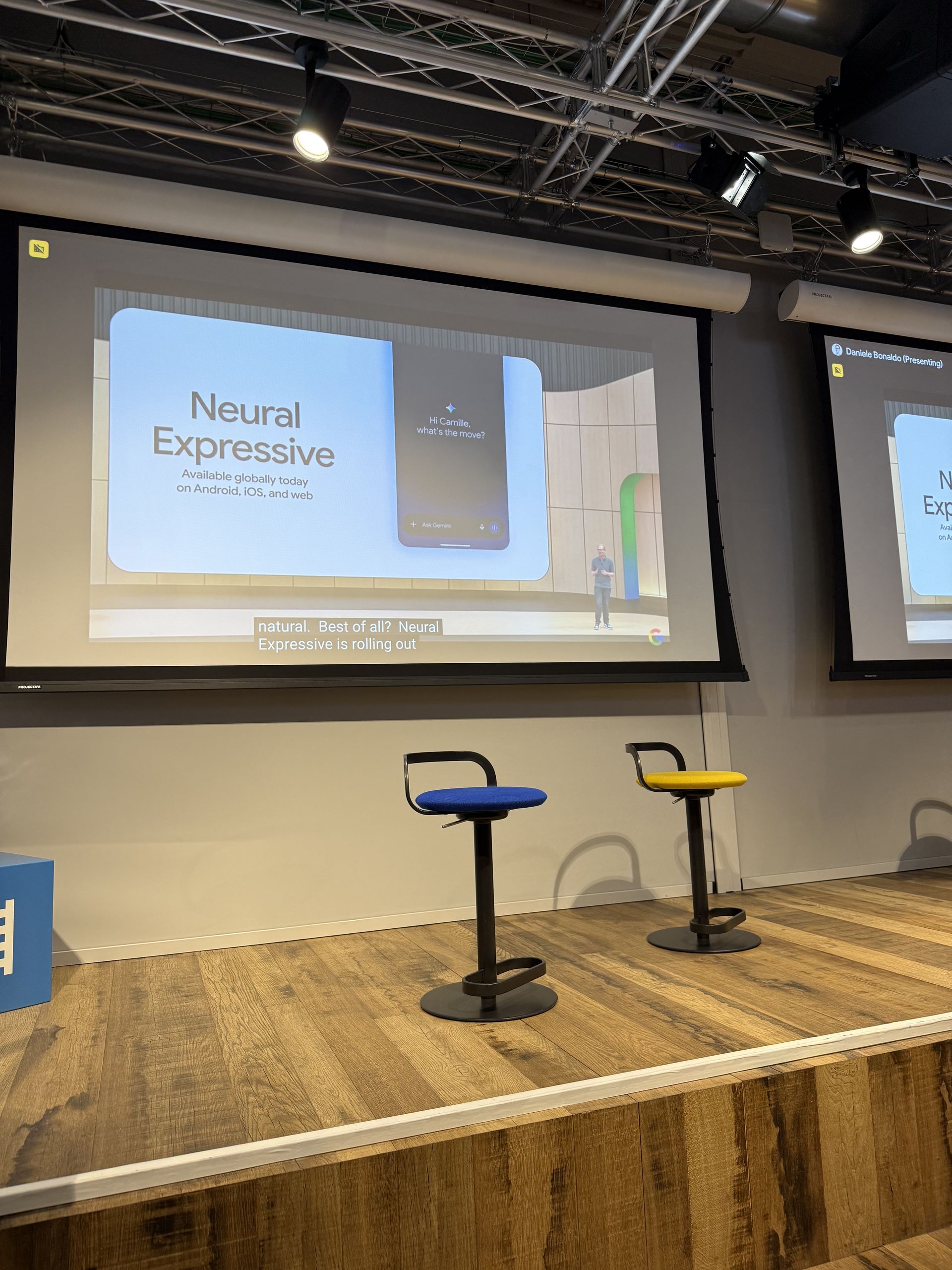
"Available globally today on Android, iOS, and web"
Pizza, stickers, spritz
The GDG page promised food and drinks and delivered trays of Milanese pizza al taglio on wooden crates, in front of a wall printed with an old photograph of the city. Next to it, the table every developer stops at: a spread of stickers — AI Study Jam, Google for Developers, the local chapters — and a queue of people picking through them for laptop space they do not have. Then out into Isola for a spritz.
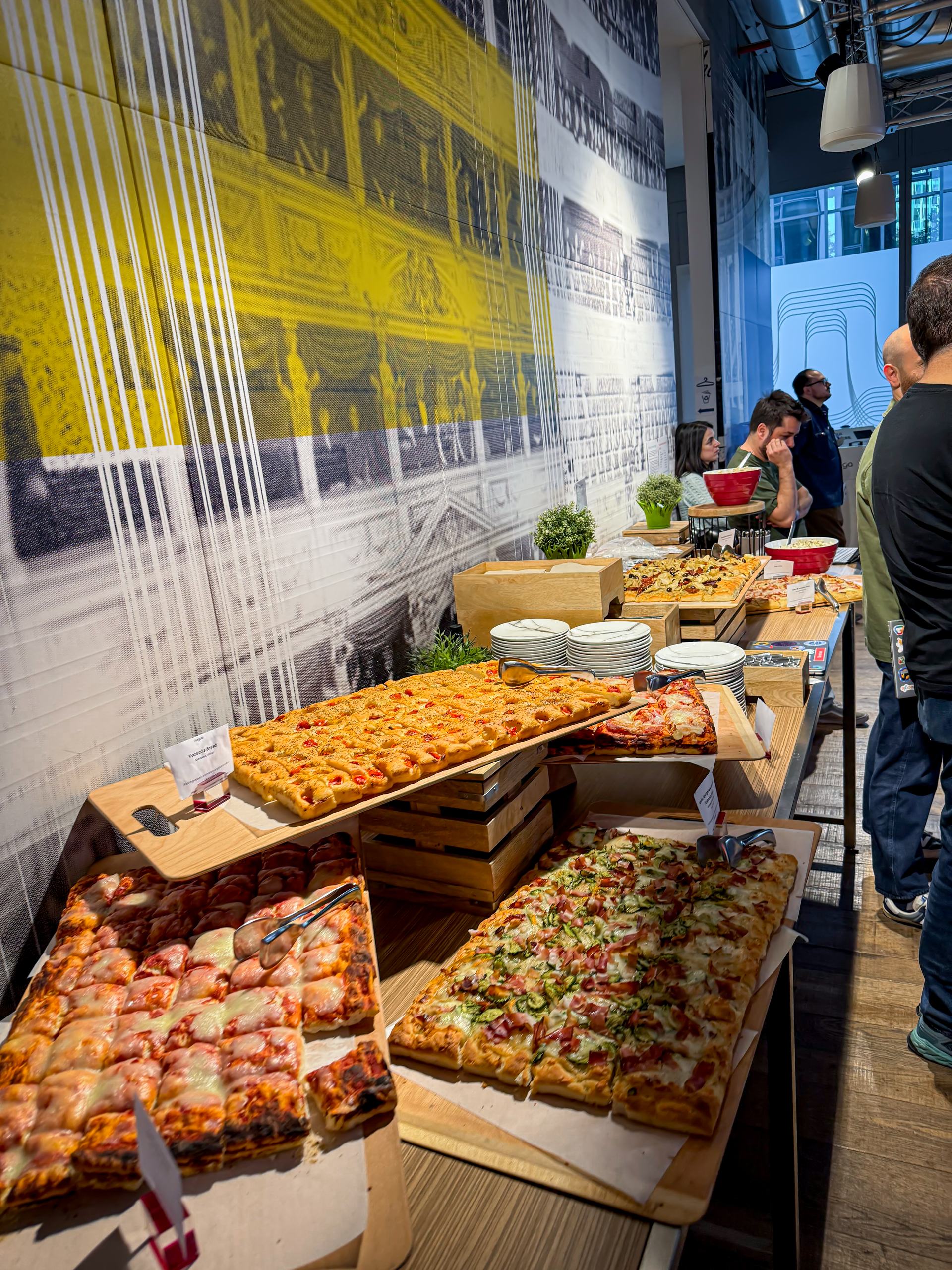
Pizza al taglio, by the metre
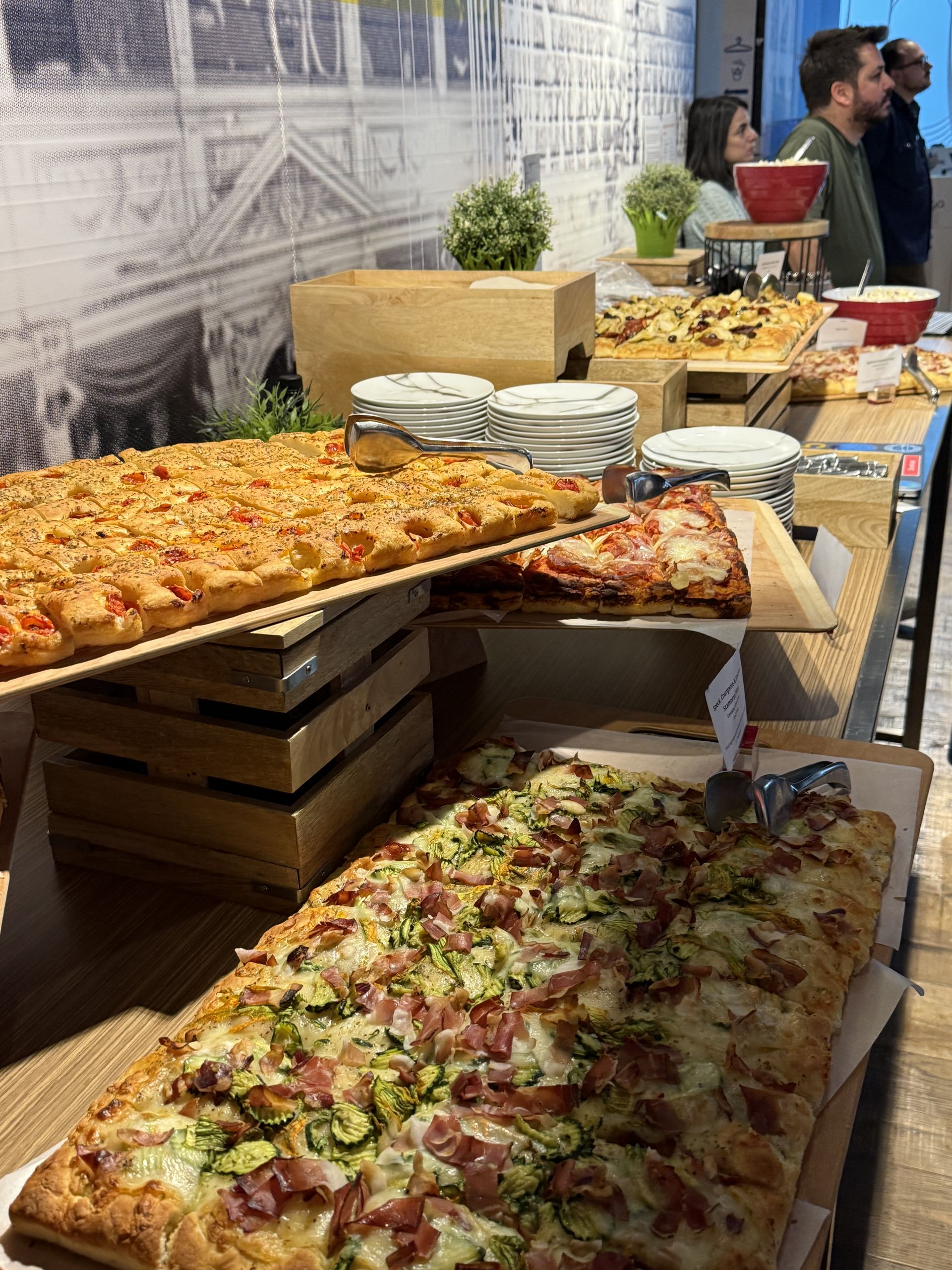
Two kinds, both gone quickly
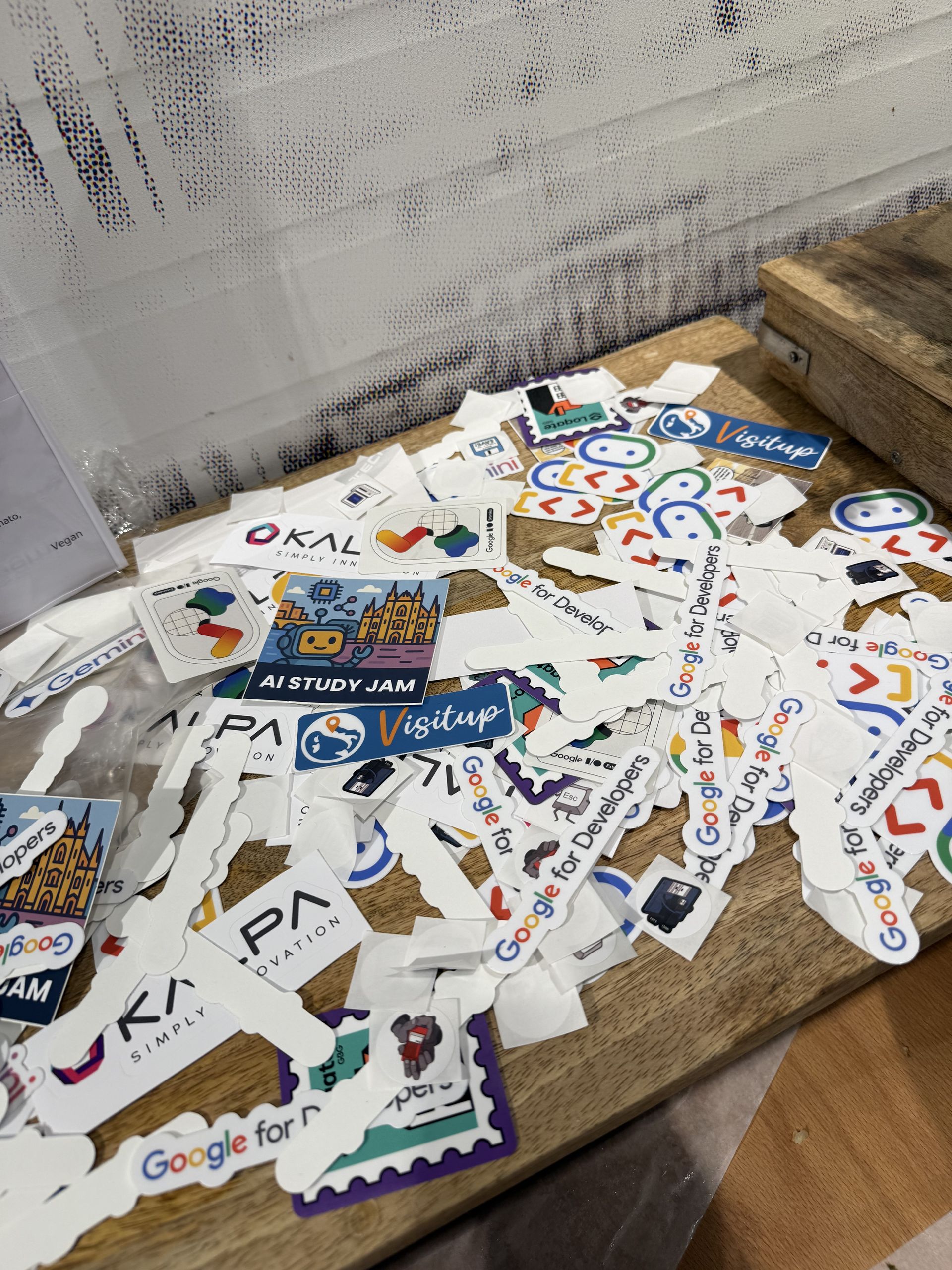
The sticker table, mid-raid
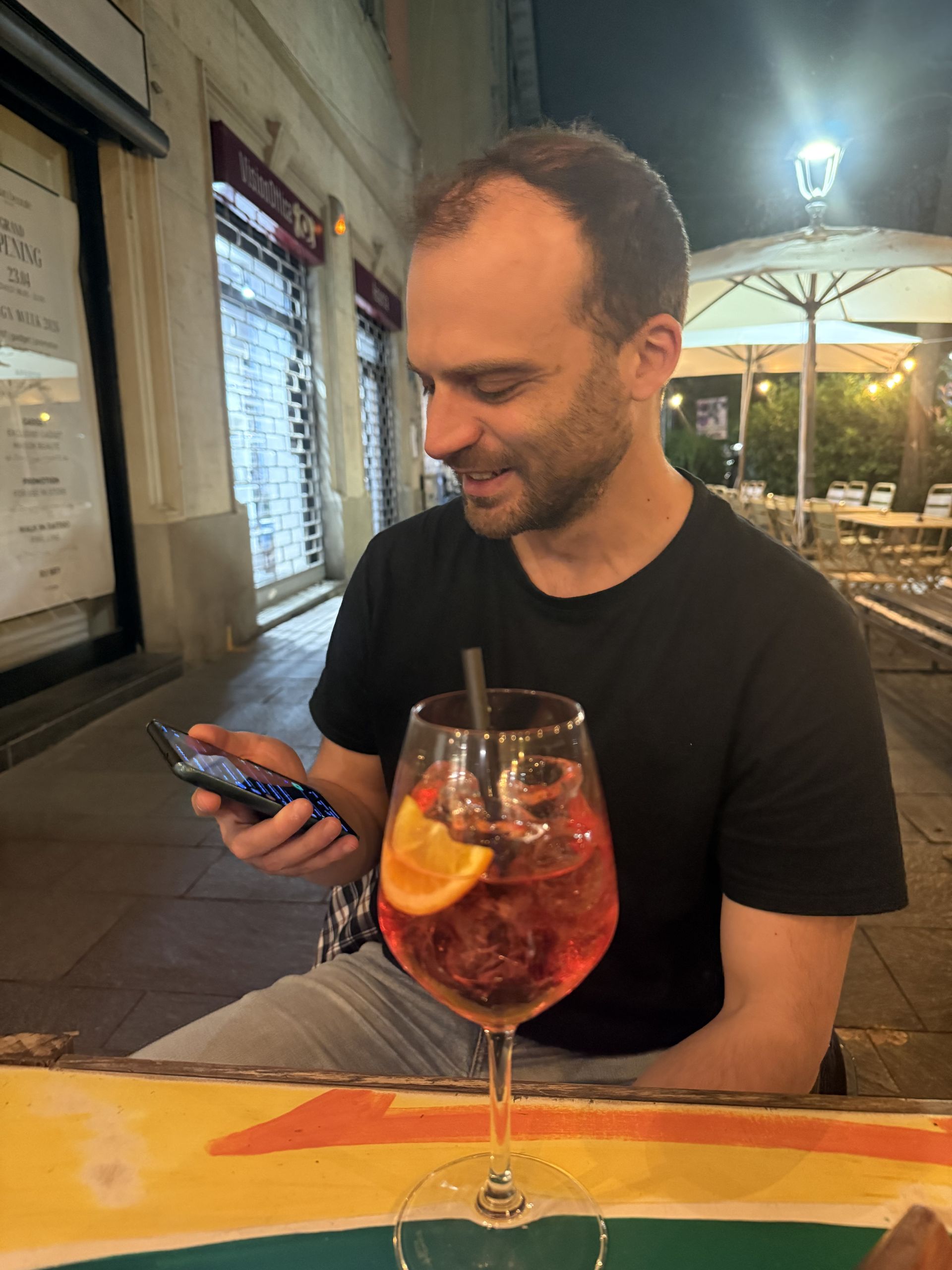
Isola, half past nine
What I took away
Last year's keynote was about Gemini being everywhere. This one was about not typing: agents that hold a task, a CLI an agent can drive, a leaderboard for how well they do it, and a migration tool pointed straight at the kind of cross-platform codebase I spent 2023 in. The DevFest in October had a talk showing what a mobile team's AI toolbox looked like in practice; eight months later Google shipped the platform version of that slide.
Google I/O Extended 2026 Watch Party Milano by GDG Milano and GDG Cloud Milano, Google Porta Nuova Isola, Via Federico Confalonieri 4, 19 May 2026.