Collezione di A collection of 15 Volumi Volumes

La mia collezione
Batman

My Batman
collection

Quindici volumi che raccontano l'intera parabola del Cavaliere Oscuro: dalle origini del 1939 al futuro immaginato da Frank Miller, passando per l'altra Gotham dell'Absolute Universe, ordinati secondo la linea del tempo interna delle storie — dall'anno uno di Gotham al suo crepuscolo.

Fifteen volumes tracing the Dark Knight's entire arc: from the 1939 origins to the future imagined by Frank Miller, by way of the other Gotham of the Absolute Universe, arranged along the internal timeline of the stories — from Gotham's year one to its twilight.

Edizioni Panini ComicsPanini Comics editions · DC Gotham City 1939 → 2024
11939

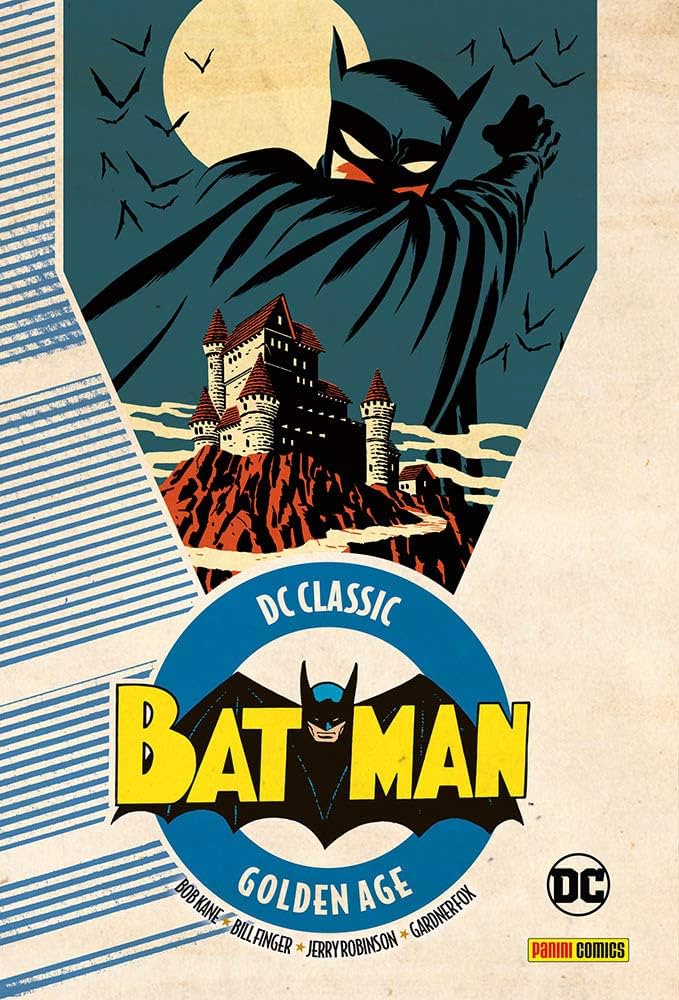
DC Classic: Batman 1 — Golden Age

USA 1939–1940
DC Classic 1939
Copertina DC Classic: Batman 1
★ Inizio di tutto ★ Where it all began Era Kane/Finger The Kane/Finger era
CollanaImprint
DC Classic (cartonato)DC Classic (hardcover)
AutoriCreators
Bob Kane e Bill Finger, con Jerry RobinsonBob Kane and Bill Finger, with Jerry Robinson
ContieneContains
Le prime storie da Detective Comics #27 in poi e Batman #1 (1939–40)The earliest stories from Detective Comics #27 onward, plus Batman #1 (1939–40)
AmbientazioneSetting
L'anno zero del mito: la Gotham pulp delle originiYear zero of the myth: the pulp Gotham of the origins

Perché è importante

Why it matters

Il punto zero assoluto: Detective Comics #27 (maggio 1939) presenta al mondo il "Bat-Man", poche pagine dopo arriva l'origine — i genitori uccisi nel vicolo, il giuramento, il pipistrello dalla finestra — e in rapida successione esordiscono Robin (Detective #38) e, su Batman #1, Joker e Catwoman insieme nello stesso albo. Un Batman più cupo e spiccio di quello che verrà, che nelle primissime storie non esita nemmeno a usare la pistola.

The absolute point zero: Detective Comics #27 (May 1939) introduces the "Bat-Man" to the world; the origin arrives just a few pages later — the parents gunned down in the alley, the vow, the bat at the window — and in rapid succession come the debuts of Robin (Detective #38) and, in Batman #1, the Joker and Catwoman together in the same issue. This is a darker, more ruthless Batman than the one to come, who in the very first stories doesn't even hesitate to use a gun.

Curiosità da collezionista

Collector's trivia

Detective Comics #27 contende ad Action Comics #1 il titolo di albo più prezioso della storia: una copia è stata battuta all'asta per oltre un milione e mezzo di dollari. E per decenni il solo Bob Kane fu accreditato come creatore: Bill Finger, che inventò quasi tutto (costume, Gotham, Bruce Wayne, Joker), è stato riconosciuto ufficialmente dalla DC solo nel 2015.

Detective Comics #27 vies with Action Comics #1 for the title of most valuable issue in history: one copy sold at auction for over a million and a half dollars. And for decades Bob Kane alone was credited as creator: Bill Finger, who invented nearly everything (the costume, Gotham, Bruce Wayne, the Joker), was only officially recognized by DC in 2015.
Oltre la carta: da qui nasce tutto — il serial cinematografico del 1943, il telefilm pop di Adam West del 1966, e ogni incarnazione successiva. L'origine nel vicolo di queste pagine è stata rimessa in scena praticamente in ogni film, da Burton a Nolan a The Batman.
Beyond the page: everything starts here — the 1943 film serial, Adam West's pop TV show of 1966, and every incarnation since. The alley origin from these pages has been restaged in practically every film, from Burton to Nolan to The Batman.
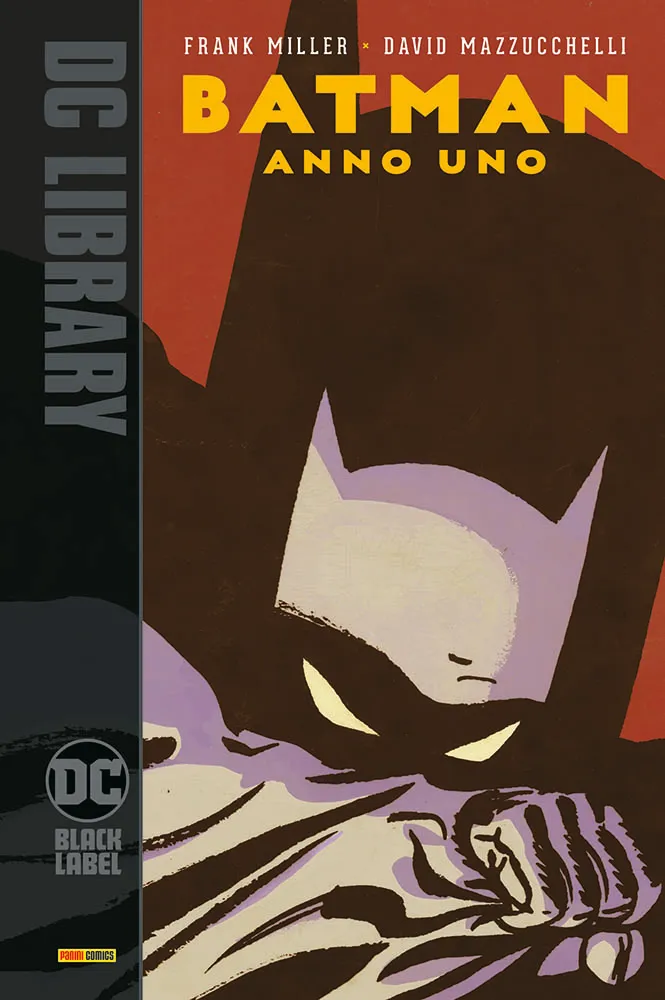
2Anno 1Year 1

Anno UnoYear One

USA 1987
Miller / Mazzucchelli 1987
Copertina Batman: Anno Uno
★ L'origine moderna definitiva ★ The definitive modern origin Fondamento di tutta la Gotham noir Foundation of all noir Gotham
CollanaImprint
DC Library (cartonato)DC Library (hardcover)
AutoriCreators
Frank Miller (testi), David Mazzucchelli (disegni), colori di Richmond LewisFrank Miller (script), David Mazzucchelli (art), colors by Richmond Lewis
ContieneContains
Batman #404–407 (1987)
AmbientazioneSetting
Il primo anno: Bruce Wayne e Jim Gordon arrivano a GothamThe first year: Bruce Wayne and Jim Gordon arrive in Gotham

Perché è importante

Why it matters

La riscrittura definitiva delle origini, raccontata in parallelo attraverso due uomini che sbarcano nella città più corrotta d'America: Bruce Wayne, tornato dopo dodici anni per iniziare la sua guerra tra errori e ferite, e il tenente Jim Gordon, poliziotto onesto in un dipartimento marcio. Qui nascono il pipistrello dalla finestra riletto in chiave adulta, la Selina Kyle di strada, il patto Batman/Gordon e la Gotham dominata dai Falcone. È il fumetto che ha fissato per sempre il tono realistico del personaggio.

The definitive rewrite of the origins, told in parallel through two men landing in the most corrupt city in America: Bruce Wayne, back after twelve years to begin his war amid mistakes and wounds, and Lieutenant Jim Gordon, an honest cop in a rotten department. This is where the bat at the window gets its adult retelling, where street-level Selina Kyle, the Batman/Gordon pact and a Gotham ruled by the Falcones are born. It's the comic that fixed the character's realistic tone forever.

Cosa apre

What it opens up

Tutto il filone noir della collezione: Il lungo Halloween è il suo seguito dichiarato — stessa Gotham, stessi Falcone, stesso Gordon — e l'intera trilogia di Loeb e Sale ne è la prosecuzione diretta. È anche l'altra metà del "canone Miller" insieme al Ritorno del Cavaliere Oscuro: l'inizio e la fine dello stesso uomo.

The collection's entire noir strand: The Long Halloween is its declared sequel — same Gotham, same Falcones, same Gordon — and the whole Loeb and Sale trilogy is its direct continuation. It's also the other half of the "Miller canon" alongside The Dark Knight Returns: the beginning and the end of the same man.

Oltre la carta: Batman Begins di Nolan ne adatta interi passaggi (l'ascesa di Gordon, la corruzione di Gotham, perfino singole inquadrature), The Batman (2022) ne eredita il taglio investigativo, e nel 2011 ne è stato tratto un film animato fedelissimo. Ogni versione "realistica" di Gotham parte da qui.
Beyond the page: Nolan's Batman Begins adapts entire passages (Gordon's rise, Gotham's corruption, even individual shots), The Batman (2022) inherits its investigative slant, and a remarkably faithful animated film was made from it in 2011. Every "realistic" version of Gotham starts here.
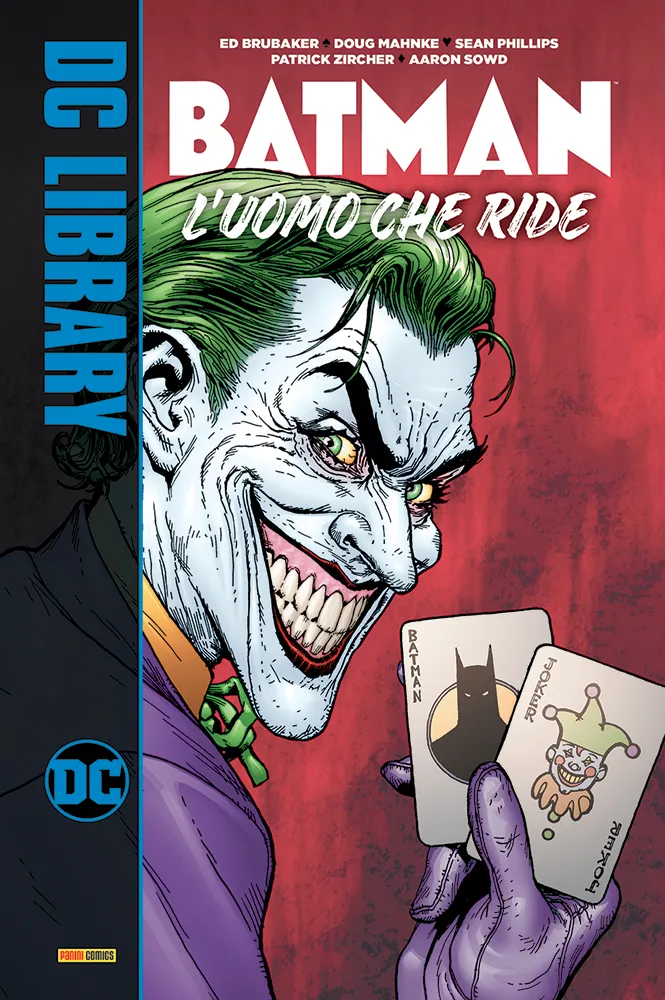
3Anno 1Year 1

L'uomo che rideThe Man Who Laughs

USA 2005
Brubaker / Mahnke 2005
Copertina Batman: L'uomo che ride
★ Il primo scontro col Joker ★ The first clash with the Joker Seguito diretto di Anno Uno Direct sequel to Year One
CollanaImprint
DC Library (cartonato)DC Library (hardcover)
AutoriCreators
Ed Brubaker (testi), Doug Mahnke (disegni)Ed Brubaker (script), Doug Mahnke (art)
ContieneContains
Batman: The Man Who Laughs (graphic novel, 2005)
AmbientazioneSetting
Fine del primo anno: riprende esattamente dove finisce Anno UnoEnd of the first year: picks up exactly where Year One leaves off

Perché è importante

Why it matters

Il tassello che salda le origini al resto: Anno Uno si chiude con Gordon che annuncia a Batman l'arrivo di un criminale chiamato Joker, e questa storia racconta proprio quel primo incontro. Brubaker riscrive in chiave noir moderna il debutto del clown di Batman #1 del 1940 — le vittime col sorriso, le minacce annunciate in diretta, l'avvelenamento del bacino idrico — mostrando il momento in cui Gotham e il suo protettore scoprono che i gangster non sono più il problema peggiore.

The piece that welds the origins to everything else: Year One closes with Gordon telling Batman about the arrival of a criminal called the Joker, and this story recounts precisely that first encounter. Brubaker rewrites the clown's debut from 1940's Batman #1 in a modern noir key — the grinning victims, threats announced on live broadcast, the poisoning of the reservoir — showing the moment Gotham and its protector discover that gangsters are no longer the worst of their problems.

Il suo ruolo nella collezione

Its role in the collection

È il ponte perfetto tra il volume 2 e il volume 4: da un lato prosegue Anno Uno, dall'altro è la rilettura moderna proprio di quel Batman #1 che possiedo nel volume della Golden Age — la stessa storia, a sessantacinque anni di distanza.

It's the perfect bridge between volume 2 and volume 4: on one side it continues Year One, on the other it's the modern retelling of that very Batman #1 I own in the Golden Age volume — the same story, sixty-five years apart.

Oltre la carta: il Joker "annunciatore di morti in diretta" di questa storia è un modello riconoscibile per le versioni cinematografiche più mediatiche del personaggio, e la sua impostazione da poliziesco è la stessa che The Batman (2022) ha portato al cinema.
Beyond the page: this story's Joker, announcing his murders on live broadcast, is a recognizable model for the character's most media-driven film versions, and its police-procedural framework is the same one The Batman (2022) brought to the screen.
4Anno 2Year 2

Il lungo HalloweenThe Long Halloween

USA 1996–1997
Loeb / Sale 1996
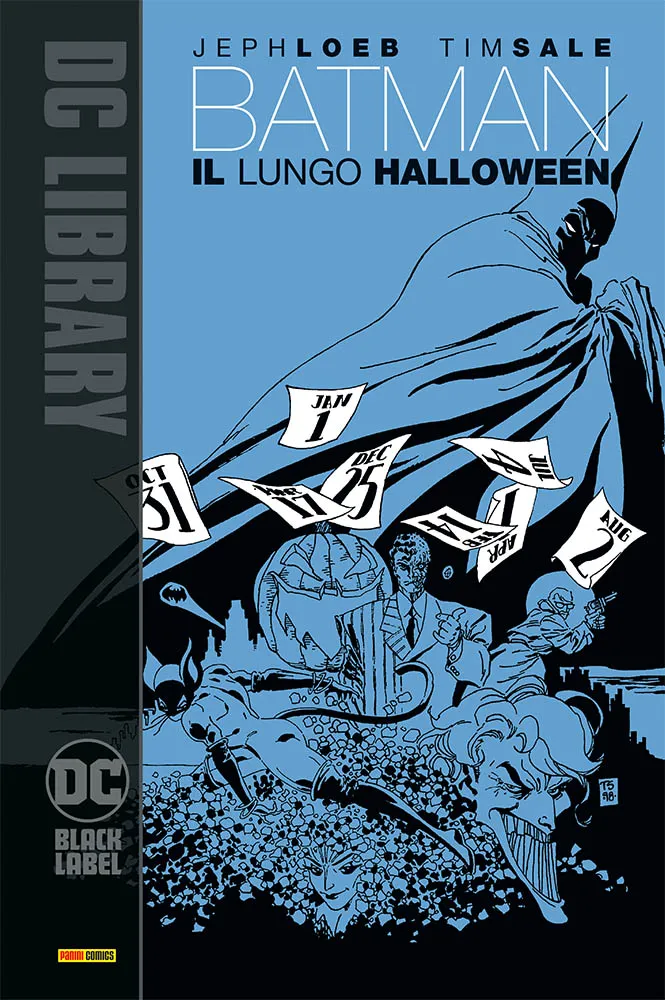
Copertina Batman: Il lungo Halloween
★ Inizio trilogia Loeb/Sale ★ Start of the Loeb/Sale trilogy Giallo in 13 capitoli A mystery in 13 chapters
CollanaImprint
DC Library (cartonato)DC Library (hardcover)
AutoriCreators
Jeph Loeb (testi), Tim Sale (disegni)Jeph Loeb (script), Tim Sale (art)
ContieneContains
Batman: The Long Halloween #1–13 (maxiserie 1996–97)Batman: The Long Halloween #1–13 (1996–97 maxiseries)
AmbientazioneSetting
Secondo anno di carriera, subito dopo Anno Uno di MillerSecond year of the career, right after Miller's Year One

Perché è importante

Why it matters

Il grande giallo di Gotham: per un anno intero, a ogni festività, il killer Holiday elimina un membro della famiglia mafiosa Falcone, mentre Batman, il capitano Gordon e il procuratore Harvey Dent stringono un patto per abbattere il crimine organizzato. È la storia della caduta di Dent e della nascita di Due Facce, e il racconto del passaggio di Gotham dall'era dei gangster a quella dei "mostri". Considerato uno dei tre-quattro Batman fondamentali di sempre.

Gotham's great whodunit: for a full year, on every holiday, the killer Holiday eliminates a member of the Falcone crime family, while Batman, Captain Gordon and District Attorney Harvey Dent forge a pact to bring down organized crime. It's the story of Dent's fall and the birth of Two-Face, and the tale of Gotham's passage from the era of gangsters to that of the "freaks". Considered one of the three or four essential Batman stories of all time.

Cosa apre

What it opens up

È il primo capitolo della trilogia di Loeb e Sale su Gotham (con Vittoria oscura e Vacanze romane) e il ponte narrativo ideale tra le origini e il Batman maturo.

It's the first chapter of Loeb and Sale's Gotham trilogy (with Dark Victory and When in Rome) and the ideal narrative bridge between the origins and the mature Batman.

Oltre la carta: è il fumetto che più ha plasmato il Batman cinematografico moderno — Il cavaliere oscuro di Nolan ne riprende il triangolo Batman/Gordon/Dent e la parabola di Due Facce, The Batman (2022) la struttura da giallo seriale. Adattato ufficialmente nel film animato in due parti del 2021.
Beyond the page: it's the comic that most shaped the modern cinematic Batman — Nolan's The Dark Knight borrows its Batman/Gordon/Dent triangle and Two-Face's arc, The Batman (2022) its serial-mystery structure. Officially adapted as the two-part animated film of 2021.
5Anno 3Year 3

Vittoria oscuraDark Victory

USA 1999–2000
Loeb / Sale 1999
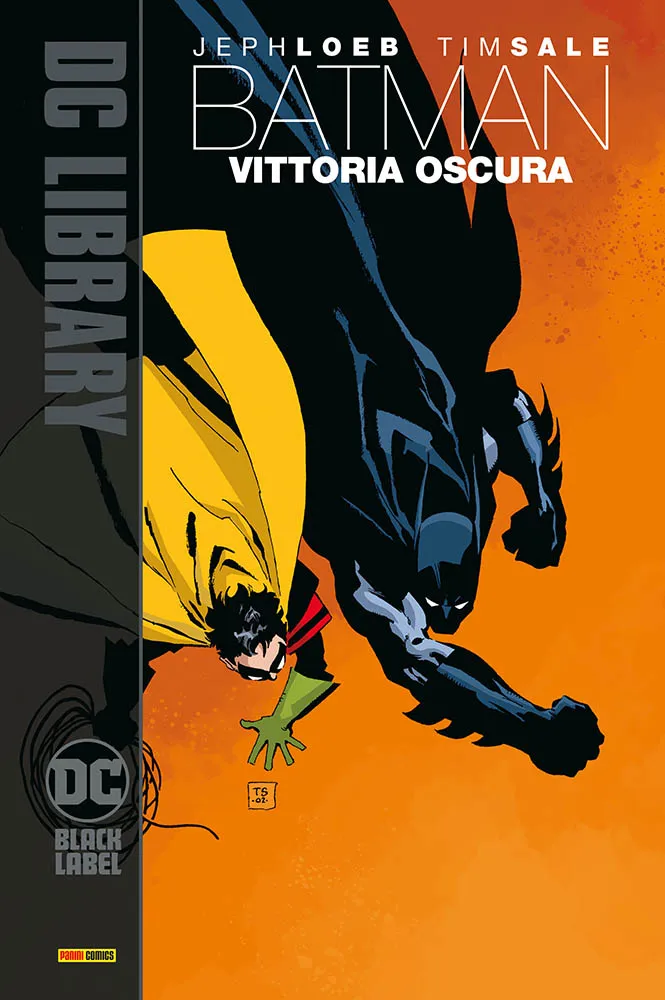
Copertina Batman: Vittoria oscura
Seguito diretto del Lungo Halloween Direct sequel to The Long Halloween ★ Origine di Robin ★ Robin's origin
CollanaImprint
DC Library (cartonato)DC Library (hardcover)
AutoriCreators
Jeph Loeb (testi), Tim Sale (disegni)Jeph Loeb (script), Tim Sale (art)
ContieneContains
Batman: Dark Victory #0–13 (maxiserie 1999–2000)Batman: Dark Victory #0–13 (1999–2000 maxiseries)
AmbientazioneSetting
Terzo anno: le conseguenze della caduta di Harvey DentThird year: the aftermath of Harvey Dent's fall

Perché è importante

Why it matters

Stessa struttura a festività, nuovo mistero: il killer del Boia impicca uno dopo l'altro i poliziotti legati al vecchio regime corrotto, mentre Due Facce guida i mostri alla conquista definitiva di ciò che resta dell'impero Falcone. Ma soprattutto è la storia in cui Bruce, adottando un piccolo acrobata rimasto orfano per mano della mafia, capisce di non poter combattere da solo: è la migliore origine mai scritta di Dick Grayson, il primo Robin — lo specchio esatto del lutto di Bruce.

Same holiday structure, new mystery: the Hangman killer strings up, one after another, the cops tied to the old corrupt regime, while Two-Face leads the freaks in the final conquest of what remains of the Falcone empire. Above all, though, it's the story in which Bruce, by adopting a young acrobat orphaned at the mob's hands, realizes he cannot fight alone: it's the best origin ever written for Dick Grayson, the first Robin — the exact mirror of Bruce's own grief.

Oltre la carta: la Gotham mafiosa di questo dittico (i Falcone, i Maroni) è il modello dichiarato della famiglia Falcone di The Batman (2022) e del Carmine Falcone della serie TV Il Pinguino (2024).
Beyond the page: the mob-run Gotham of this two-parter (the Falcones, the Maronis) is the declared model for the Falcone family in The Batman (2022) and for Carmine Falcone in the TV series The Penguin (2024).
6Anno 3Year 3

Vacanze romaneWhen in Rome

USA 2004–2005
Loeb / Sale 2004
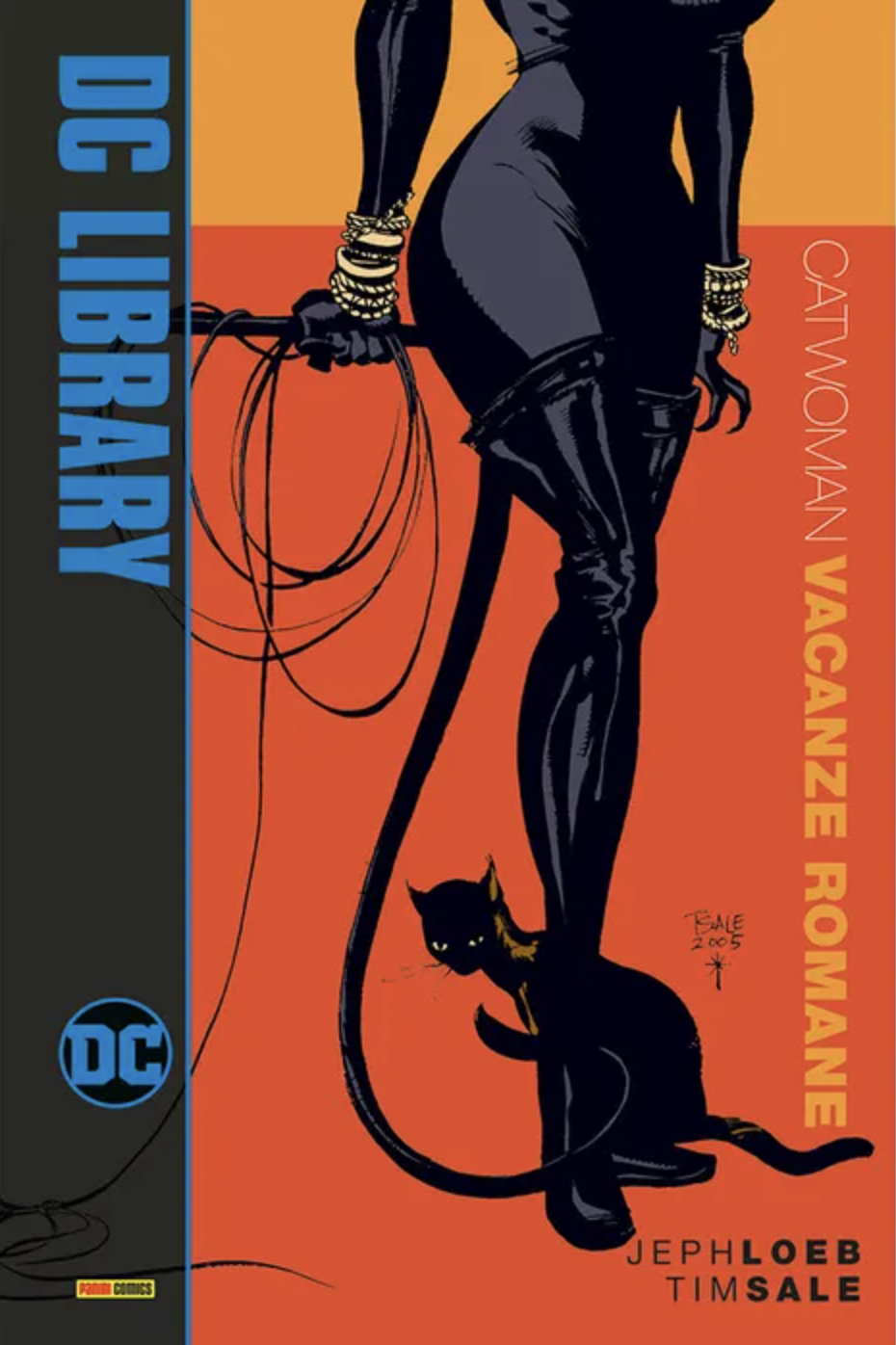
Copertina Catwoman: Vacanze romane
Chiude la trilogia Loeb/Sale Closes the Loeb/Sale trilogy Protagonista: Catwoman Starring: Catwoman
CollanaImprint
DC Library (cartonato)DC Library (hardcover)
AutoriCreators
Jeph Loeb (testi), Tim Sale (disegni)Jeph Loeb (script), Tim Sale (art)
ContieneContains
Catwoman: When in Rome #1–6 (miniserie 2004–05)Catwoman: When in Rome #1–6 (2004–05 miniseries)
AmbientazioneSetting
Parallela a Vittoria oscura: il viaggio italiano di SelinaParallel to Dark Victory: Selina's Italian journey

Perché è importante

Why it matters

Il tassello mancante del dittico: mentre a Gotham infuria il Boia, Selina Kyle vola in Italia con l'Enigmista al seguito per rispondere alla domanda che Il lungo Halloween aveva lasciato sospesa — è davvero la figlia illegittima di Carmine Falcone? Tra Roma, il Vaticano e la costiera, Loeb e Sale giocano col noir all'italiana e con la Dolce Vita, senza mai concedere una risposta definitiva. Più leggero dei capitoli gotici, ma indispensabile per chiudere i conti con la saga dei Falcone.

The missing piece of the two-parter: while the Hangman rages in Gotham, Selina Kyle flies to Italy with the Riddler in tow to answer the question The Long Halloween had left hanging — is she really Carmine Falcone's illegitimate daughter? Between Rome, the Vatican and the coast, Loeb and Sale play with Italian-style noir and the Dolce Vita, never granting a definitive answer. Lighter than the gothic chapters, but indispensable for settling accounts with the Falcone saga.

Oltre la carta: la Selina "figlia di Falcone" è passata direttamente in The Batman (2022), dove Zoë Kravitz interpreta esattamente questa versione del personaggio. Ed è l'ultimo capitolo gotico della leggendaria coppia Loeb/Sale, prima della scomparsa di Tim Sale nel 2022.
Beyond the page: the "Falcone's daughter" Selina passed straight into The Batman (2022), where Zoë Kravitz plays exactly this version of the character. And it's the last Gotham chapter by the legendary Loeb/Sale duo, before Tim Sale's passing in 2022.
7CarrieraCareer

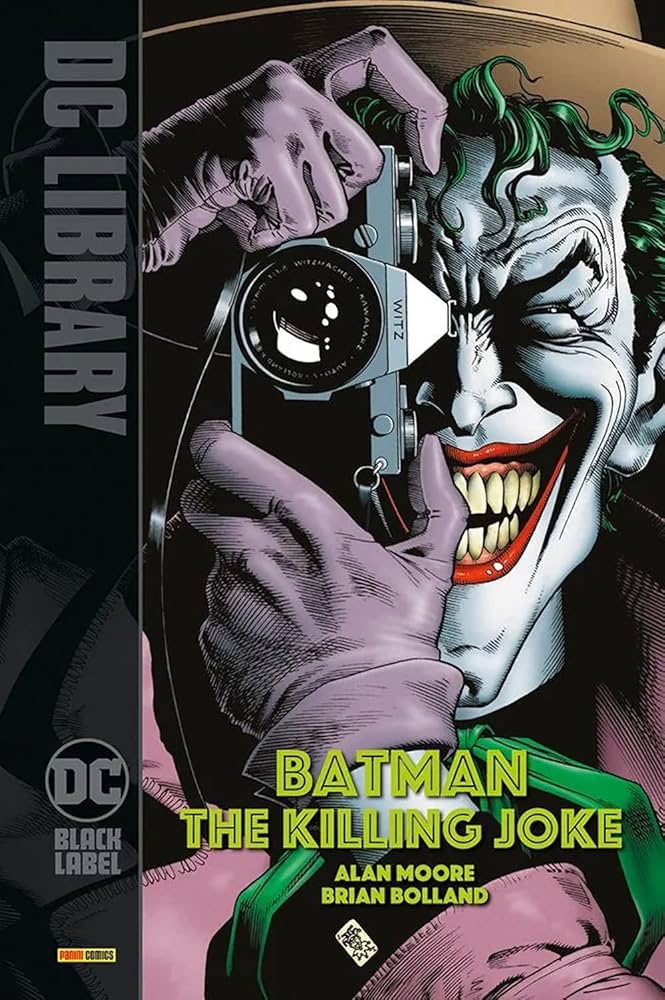
The Killing Joke

USA 1988
Moore / Bolland 1988
Copertina Batman: The Killing Joke
Capolavoro autoconclusivo Self-contained masterpiece La storia definitiva del Joker The definitive Joker story
CollanaImprint
DC Library (cartonato)DC Library (hardcover)
AutoriCreators
Alan Moore (testi), Brian Bolland (disegni)Alan Moore (script), Brian Bolland (art)
ContieneContains
Batman: The Killing Joke (graphic novel, 1988)
AmbientazioneSetting
Piena maturità: Batman e Joker si fronteggiano da anniFull maturity: Batman and the Joker have faced each other for years

Perché è importante

Why it matters

Il duello psicologico definitivo tra Batman e il Joker, costruito sulla tesi del clown: "basta una brutta giornata" per far impazzire chiunque. Per dimostrarlo, il Joker spara a Barbara Gordon riducendola alla paralisi e sottopone il commissario a un incubo studiato per spezzarlo. In parallelo, i flashback raccontano una possibile origine del Joker — il comico fallito, la Cappa Rossa, la vasca chimica — che lui stesso relativizza con la battuta più citata del fumetto americano: del proprio passato preferisce ricordare "una versione a scelta multipla".

The definitive psychological duel between Batman and the Joker, built on the clown's thesis: "one bad day" is all it takes to drive anyone mad. To prove it, the Joker shoots Barbara Gordon, leaving her paralyzed, and subjects the commissioner to a nightmare engineered to break him. In parallel, flashbacks recount one possible origin of the Joker — the failed comedian, the Red Hood, the chemical vat — which he himself undercuts with the most quoted line in American comics: when it comes to his past, he prefers to remember it "multiple choice".

Curiosità

Trivia

Dalla tragedia di Barbara nascerà anni dopo Oracolo, la mente informatica dell'universo DC. E Alan Moore, col tempo, ha ripudiato l'opera giudicandola troppo crudele — il che non le ha impedito di vincere l'Eisner e di restare il metro di paragone di ogni storia sul Joker.

Barbara's tragedy would give rise, years later, to Oracle, the computer mastermind of the DC universe. And Alan Moore eventually disowned the work, judging it too cruel — which didn't stop it from winning the Eisner and remaining the benchmark for every Joker story.

Oltre la carta: è la fonte primaria del Joker cinematografico moderno — il "passato a scelta multipla" è il cuore del Joker di Heath Ledger e l'intero film Joker (2019) con Joaquin Phoenix ne sviluppa la premessa del comico fallito. Adattato in film animato nel 2016, con Mark Hamill e Kevin Conroy.
Beyond the page: it's the primary source of the modern cinematic Joker — the "multiple choice past" is the heart of Heath Ledger's Joker, and the entire film Joker (2019) with Joaquin Phoenix builds on its failed-comedian premise. Adapted as an animated film in 2016, with Mark Hamill and Kevin Conroy.
8CarrieraCareer

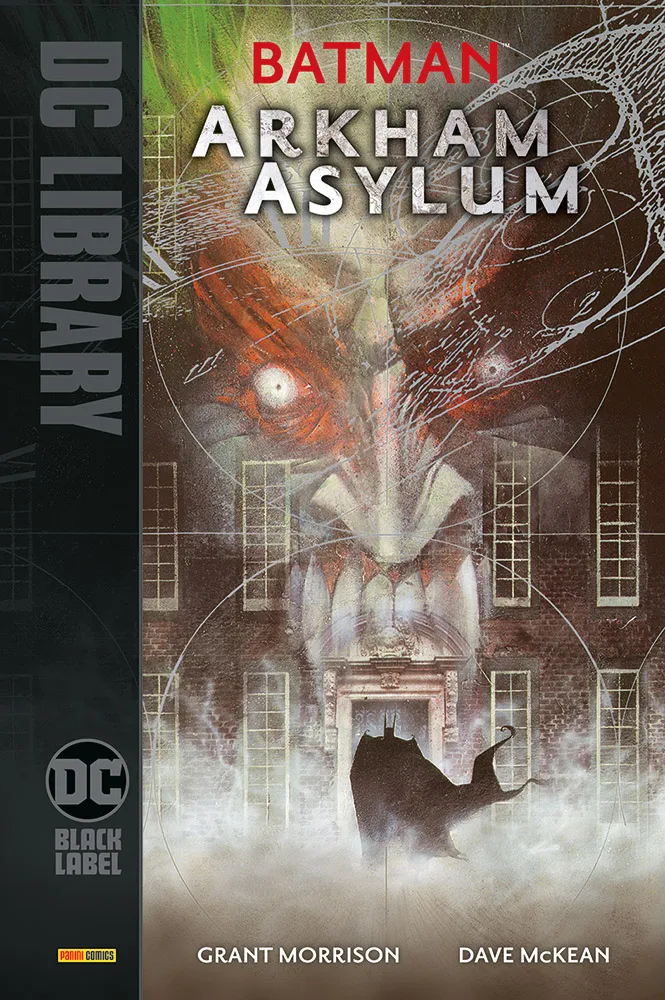
Arkham Asylum

USA 1989
Morrison / McKean 1989
Copertina Batman: Arkham Asylum
Capolavoro autoconclusivo Self-contained masterpiece La graphic novel DC più venduta di sempre DC's best-selling graphic novel ever
CollanaImprint
DC Library (cartonato)DC Library (hardcover)
AutoriCreators
Grant Morrison (testi), Dave McKean (disegni)Grant Morrison (script), Dave McKean (art)
ContieneContains
Arkham Asylum: A Serious House on Serious Earth (graphic novel, 1989)
AmbientazioneSetting
Carriera matura: una lunga notte dentro il manicomioMature career: one long night inside the asylum

Perché è importante

Why it matters

Il primo d'aprile i detenuti di Arkham prendono il controllo del manicomio e il Joker pone una sola condizione: che Batman entri e giochi con loro. Ne esce una discesa psicanalitica in cui ogni villain è uno specchio della psiche di Bruce, intrecciata al diario di Amadeus Arkham, il fondatore consumato dalla casa stessa. Le tavole pittoriche di Dave McKean — collage, fotografia, pittura — non assomigliano a nient'altro nella mia collezione: è il Batman più vicino all'arte contemporanea mai stampato.

On April Fools' Day the inmates of Arkham take over the asylum and the Joker sets a single condition: that Batman come inside and play with them. What follows is a psychoanalytic descent in which every villain mirrors Bruce's psyche, interwoven with the diary of Amadeus Arkham, the founder consumed by the house itself. Dave McKean's painted pages — collage, photography, painting — look like nothing else in my collection: it's the closest Batman has ever come to contemporary art in print.

Il suo ruolo nella collezione

Its role in the collection

Completa il trittico autoriale di fine anni Ottanta insieme a The Killing Joke e al Ritorno del Cavaliere Oscuro: tre modi radicalmente diversi — psicologico, filosofico, politico — di prendere sul serio lo stesso personaggio nello stesso momento storico. Ed è il primo Batman di Grant Morrison, vent'anni prima della sua run.

It completes the late-eighties auteur triptych alongside The Killing Joke and The Dark Knight Returns: three radically different ways — psychological, philosophical, political — of taking the same character seriously at the same historical moment. And it's Grant Morrison's first Batman, twenty years before his run.

Oltre la carta: è la fonte d'ispirazione dichiarata del videogioco Batman: Arkham Asylum (2009) e dell'intera saga Arkham che ne è seguita, oltre che di innumerevoli versioni "gotiche" del manicomio in film e serie TV.
Beyond the page: it's the declared inspiration for the video game Batman: Arkham Asylum (2009) and the entire Arkham saga that followed, as well as countless "gothic" versions of the asylum in film and TV.
9PresentePresent

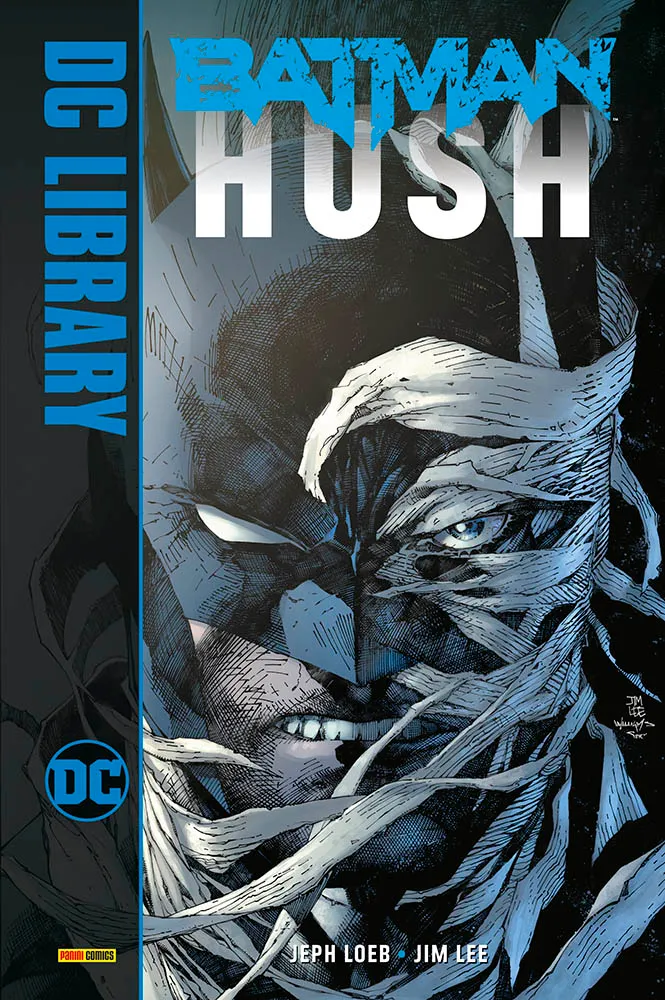
Hush

USA 2002–2003
Loeb / Jim Lee 2002
Copertina Batman: Hush
Grande evento Blockbuster event ★ Esordio di Silenzio ★ Hush's debut
CollanaImprint
DC Library (cartonato)DC Library (hardcover)
AutoriCreators
Jeph Loeb (testi), Jim Lee (disegni)Jeph Loeb (script), Jim Lee (art)
ContieneContains
Batman #608–619 (2002–03)
AmbientazioneSetting
Continuity del presente: tutto il mondo di Batman al completoPresent-day continuity: Batman's entire world in full

Perché è importante

Why it matters

Il blockbuster per eccellenza: un misterioso burattinaio bendato, Silenzio, orchestra contro Batman una cospirazione che coinvolge l'intera galleria dei nemici — Catwoman, Poison Ivy, Joker, Ra's al Ghul, Scarecrow, perfino un Superman soggiogato — mentre ogni indizio punta a qualcuno che conosce Bruce Wayne da sempre. È anche la storia in cui Bruce compie il passo mai osato: rivela la propria identità a Selina, trasformando il gioco del gatto e del pipistrello in una vera relazione.

The blockbuster par excellence: a mysterious bandaged puppet-master, Hush, orchestrates a conspiracy against Batman involving the entire rogues' gallery — Catwoman, Poison Ivy, the Joker, Ra's al Ghul, Scarecrow, even a mind-controlled Superman — while every clue points to someone who has known Bruce Wayne all his life. It's also the story in which Bruce takes the step he never dared: revealing his identity to Selina, turning the game of cat and bat into a real relationship.

Cosa apre

What it opens up

Il rilancio commerciale del Batman anni 2000 (fu il caso editoriale del suo tempo, con Jim Lee al vertice) e la lunga storia d'amore Batman/Catwoman che la DC porterà fino alla proposta di matrimonio quindici anni dopo.

The commercial relaunch of Batman in the 2000s (it was the publishing sensation of its day, with Jim Lee at the top of his game) and the long Batman/Catwoman love story that DC would carry all the way to the marriage proposal fifteen years later.

Oltre la carta: adattato nel film animato Batman: Hush (2019); Silenzio è diventato uno dei villain chiave del videogioco Batman: Arkham City e del suo seguito. Le tavole di Jim Lee hanno definito l'immagine "ufficiale" di Batman per un ventennio, fino ai loghi e ai poster.
Beyond the page: adapted as the animated film Batman: Hush (2019); Hush became one of the key villains of the video game Batman: Arkham City and its sequel. Jim Lee's art defined Batman's "official" image for two decades, right down to logos and posters.
10PresentePresent

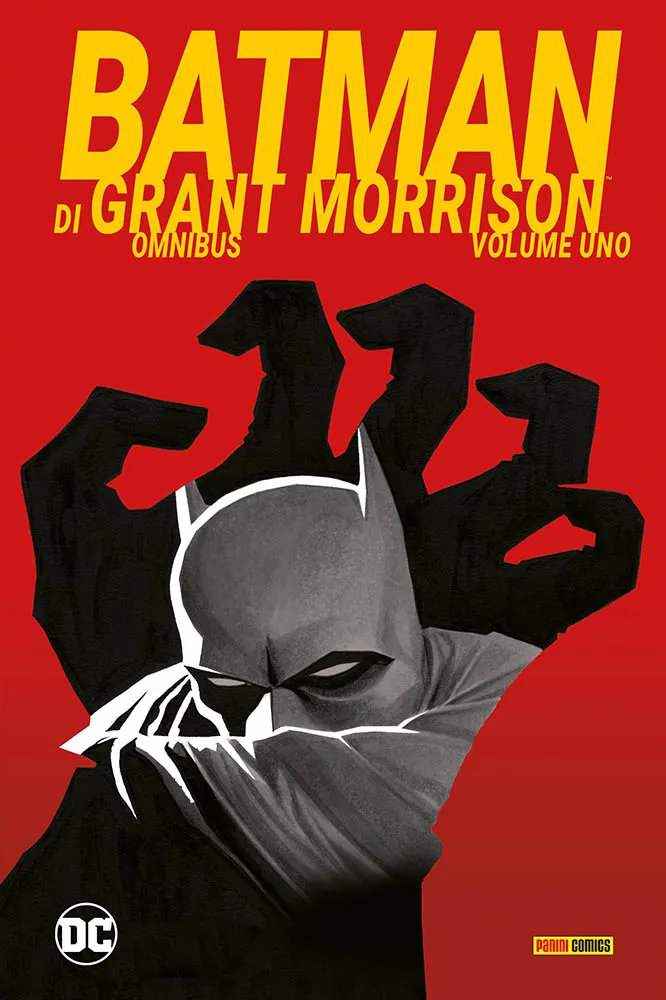
Batman di Grant Morrison 1

USA 2006–2008
Grant Morrison 2006
Copertina Batman di Grant Morrison vol. 1
★ Inizio run Morrison (2006–2013) ★ Start of the Morrison run (2006–2013) Esordio di Damian Wayne Damian Wayne's debut
CollanaImprint
Omnibus Batman di Grant Morrison (cartonato Panini DC, primo di tre tomi antologici)Batman di Grant Morrison omnibus (Panini DC hardcover, first of three anthology tomes)
AutoriCreators
Grant Morrison (testi), Andy Kubert, J.H. Williams III e altri (disegni)Grant Morrison (script), Andy Kubert, J.H. Williams III and others (art)
ContieneContains
Il primo blocco della run: Batman e figlio e Il Guanto Nero (da Batman #655 in poi)The first block of the run: Batman and Son and The Black Glove (from Batman #655 onward)
AmbientazioneSetting
Presente, pochi anni dopo HushPresent day, a few years after Hush

Perché è importante

Why it matters

L'inizio dei sette anni di Morrison, la gestione più ambiziosa mai dedicata al personaggio, fondata su un'idea geniale: è successo tutto davvero — le storie cupe alla Miller ma anche quelle assurde degli anni Cinquanta — e sono tutte memorie di un unico uomo. Il volume apre con la bomba: Talia al Ghul presenta a Bruce il figlio che non sapeva di avere, Damian, un bambino addestrato dalla Lega degli Assassini che oggi è uno dei personaggi più importanti della DC. Segue il mistero del Guanto Nero e del Club degli Eroi, l'innesco della cospirazione che culminerà in Batman R.I.P.

The start of Morrison's seven years, the most ambitious tenure ever devoted to the character, built on a brilliant idea: it all really happened — the grim Miller-style stories but also the absurd ones from the fifties — and they are all memories of a single man. The volume opens with the bombshell: Talia al Ghul introduces Bruce to the son he never knew he had, Damian, a child trained by the League of Assassins who is now one of DC's most important characters. Then comes the mystery of the Black Glove and the Club of Heroes, the trigger of the conspiracy that will culminate in Batman R.I.P.

Cosa apre

What it opens up

Una mega-storia unica che prosegue nei tomi 2 e 3 (R.I.P., la "morte" di Bruce, la serie Batman e Robin con Dick Grayson nel mantello, Il ritorno di Bruce Wayne, Batman Incorporated). La lettura più impegnativa della collezione — e quella che ripaga di più alla rilettura.

One single mega-story continuing in tomes 2 and 3 (R.I.P., Bruce's "death", the Batman and Robin series with Dick Grayson in the cape, The Return of Bruce Wayne, Batman Incorporated). The most demanding read in the collection — and the one that rewards rereading the most.

Oltre la carta: Damian Wayne è diventato il Robin dei film animati DC (la linea da Son of Batman a Battle of the Super Sons) ed è atteso come Robin del nuovo universo cinematografico DC di James Gunn, in The Brave and the Bold.
Beyond the page: Damian Wayne became the Robin of the DC animated films (the line from Son of Batman to Battle of the Super Sons) and is expected as the Robin of James Gunn's new DC cinematic universe, in The Brave and the Bold.
11PresentePresent

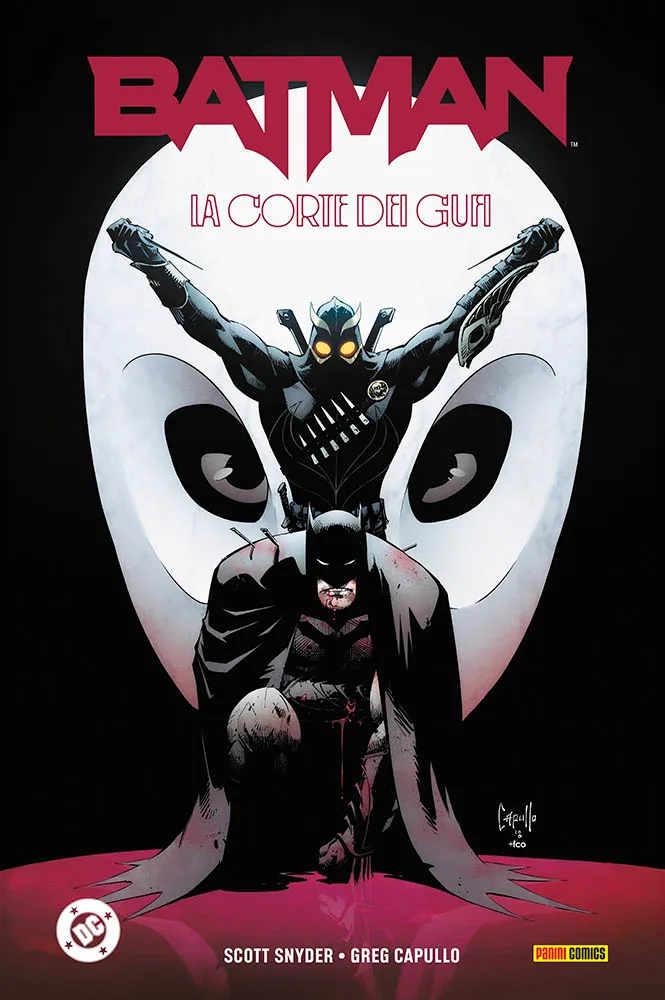
La corte dei gufiThe Court of Owls

USA 2011–2012
Snyder / Capullo 2011
Copertina Batman: La corte dei gufi
★ Inizio run Snyder/Capullo (2011–2016) ★ Start of the Snyder/Capullo run (2011–2016) Il classico moderno The modern classic
CollanaImprint
DC Author Library
AutoriCreators
Scott Snyder (testi), Greg Capullo (disegni)Scott Snyder (script), Greg Capullo (art)
ContieneContains
Batman (2011) #1–7, il primo arco del rilancio New 52Batman (2011) #1–7, the first arc of the New 52 relaunch
AmbientazioneSetting
Presente: il Batman contemporaneoPresent day: the contemporary Batman

Perché è importante

Why it matters

Il Batman definitivo degli anni Dieci: Bruce scopre che la filastrocca sulla Corte dei Gufi — la società segreta che governerebbe Gotham dall'ombra da secoli — non è una leggenda, e che la città che credeva di conoscere meglio di chiunque gli ha sempre mentito. Il capitolo nel labirinto, con la pagina che ruota fino a capovolgersi insieme alla mente di Batman, è già nei manuali di narrazione a fumetti. È l'inizio della run di Snyder e Capullo, proseguita con Morte della famiglia e Anno Zero.

The definitive Batman of the 2010s: Bruce discovers that the nursery rhyme about the Court of Owls — the secret society said to have ruled Gotham from the shadows for centuries — is no legend, and that the city he thought he knew better than anyone has always lied to him. The labyrinth chapter, with the page rotating until it turns upside down along with Batman's mind, is already in the comics-storytelling handbooks. It's the beginning of the Snyder and Capullo run, continued with Death of the Family and Zero Year.

Il suo ruolo nella collezione

Its role in the collection

Chiude il blocco del presente in continuity: dopo il mistero intimo di Hush e l'epica familiare di Morrison, la Corte aggiunge l'ultimo tassello — il mito urbano — prima dell'incubo fuori continuity di Dannato e del salto nel futuro di Miller.

It closes the in-continuity present-day block: after the intimate mystery of Hush and Morrison's family epic, the Court adds the final piece — the urban myth — before the out-of-continuity nightmare of Damned and Miller's leap into the future.

Oltre la carta: la Corte dei Gufi è entrata di prepotenza nell'immaginario: è al centro del videogioco Gotham Knights (2022), del film animato Batman vs. Robin e viene regolarmente indicata tra le ispirazioni delle prossime incarnazioni cinematografiche di Gotham.
Beyond the page: the Court of Owls has stormed into the popular imagination: it's at the center of the video game Gotham Knights (2022) and the animated film Batman vs. Robin, and is regularly cited among the inspirations for Gotham's upcoming screen incarnations.
12PresentePresent

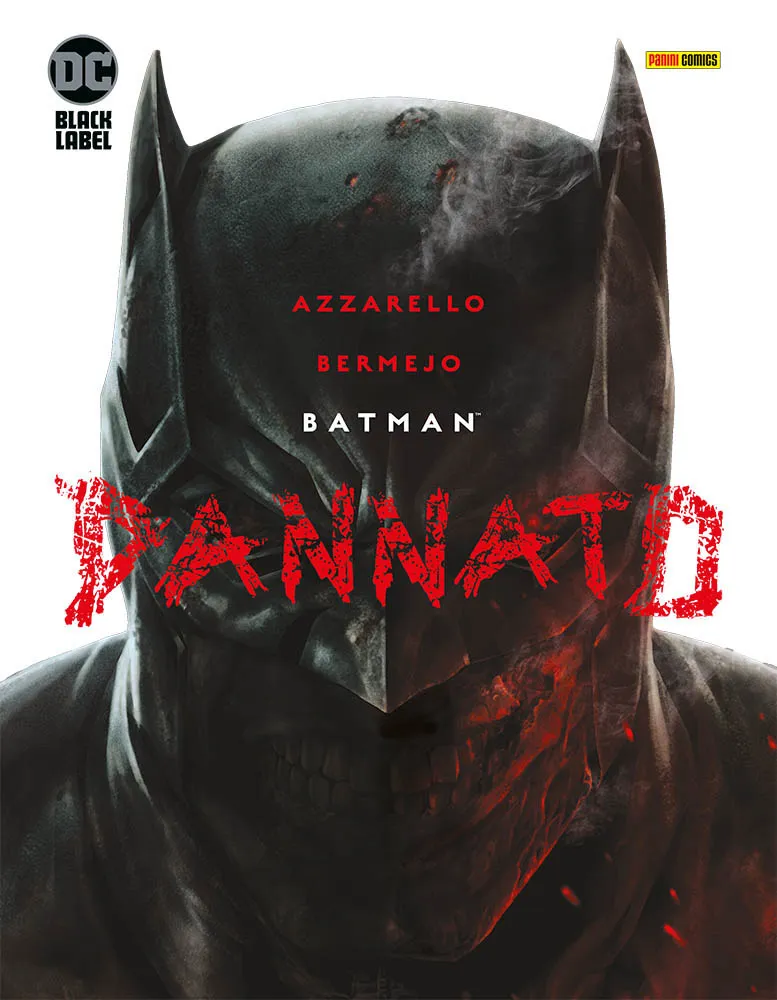
DannatoDamned

USA 2018–2019
Azzarello / Bermejo 2018
Copertina Batman: Dannato
Il primo libro DC Black Label The first DC Black Label book Horror soprannaturale per adulti Supernatural horror for adults
CollanaImprint
DC Black Label Complete Collection
AutoriCreators
Brian Azzarello (testi), Lee Bermejo (disegni)Brian Azzarello (script), Lee Bermejo (art)
ContieneContains
Batman: Damned #1–3 (2018–19)
AmbientazioneSetting
Un presente fuori continuity: il Joker è morto, e Batman non ricordaAn out-of-continuity present: the Joker is dead, and Batman can't remember

Perché è importante

Why it matters

Il cadavere del Joker viene ripescato sotto un ponte di Gotham, e Batman — ferito, con la memoria a pezzi — potrebbe essere l'assassino. A guidarlo nella discesa c'è John Constantine, narratore inaffidabile di un tour infernale tra Enchantress, Deadman e Zatanna, dentro una Gotham soprannaturale dove il vero mistero è l'anima di Bruce Wayne. Le tavole dipinte di Lee Bermejo sono tra le più spettacolari mai dedicate al personaggio: un incubo fotorealistico che sta al Batman contemporaneo come Arkham Asylum stava a quello degli anni Ottanta.

The Joker's corpse is fished out from under a Gotham bridge, and Batman — wounded, his memory in pieces — might be the killer. Guiding him on the descent is John Constantine, unreliable narrator of an infernal tour among Enchantress, Deadman and Zatanna, through a supernatural Gotham where the real mystery is Bruce Wayne's soul. Lee Bermejo's painted pages are among the most spectacular ever devoted to the character: a photorealistic nightmare that is to the contemporary Batman what Arkham Asylum was to the eighties one.

Curiosità

Trivia

Fu il libro inaugurale dell'etichetta DC Black Label, la linea per adulti fuori continuity — e fece scandalo immediato: il primo albo conteneva una fugace nudità integrale di Bruce Wayne che la DC censurò in tutte le ristampe, trasformando la prima stampa americana in un oggetto da collezione conteso.

It was the inaugural book of the DC Black Label imprint, the out-of-continuity line for adults — and it caused an immediate scandal: the first issue contained a fleeting full-frontal nude of Bruce Wayne that DC censored in every reprint, turning the American first printing into a hotly contested collector's item.

Oltre la carta: il successo di Dannato aprì la strada a tutta la linea Black Label (da Joker di Azzarello/Bermejo a Batman: Creature della notte in poi), l'etichetta che ha ridato al fumetto DC per adulti la dignità dell'era Miller/Moore. E l'estetica infernale di Bermejo è un riferimento costante per la Gotham dei videogiochi.
Beyond the page: the success of Damned paved the way for the entire Black Label line (from Azzarello/Bermejo's Joker to Batman: Creature of the Night and beyond), the imprint that gave adult DC comics back the dignity of the Miller/Moore era. And Bermejo's infernal aesthetic is a constant reference point for the Gotham of video games.
13AltroveElsewhere

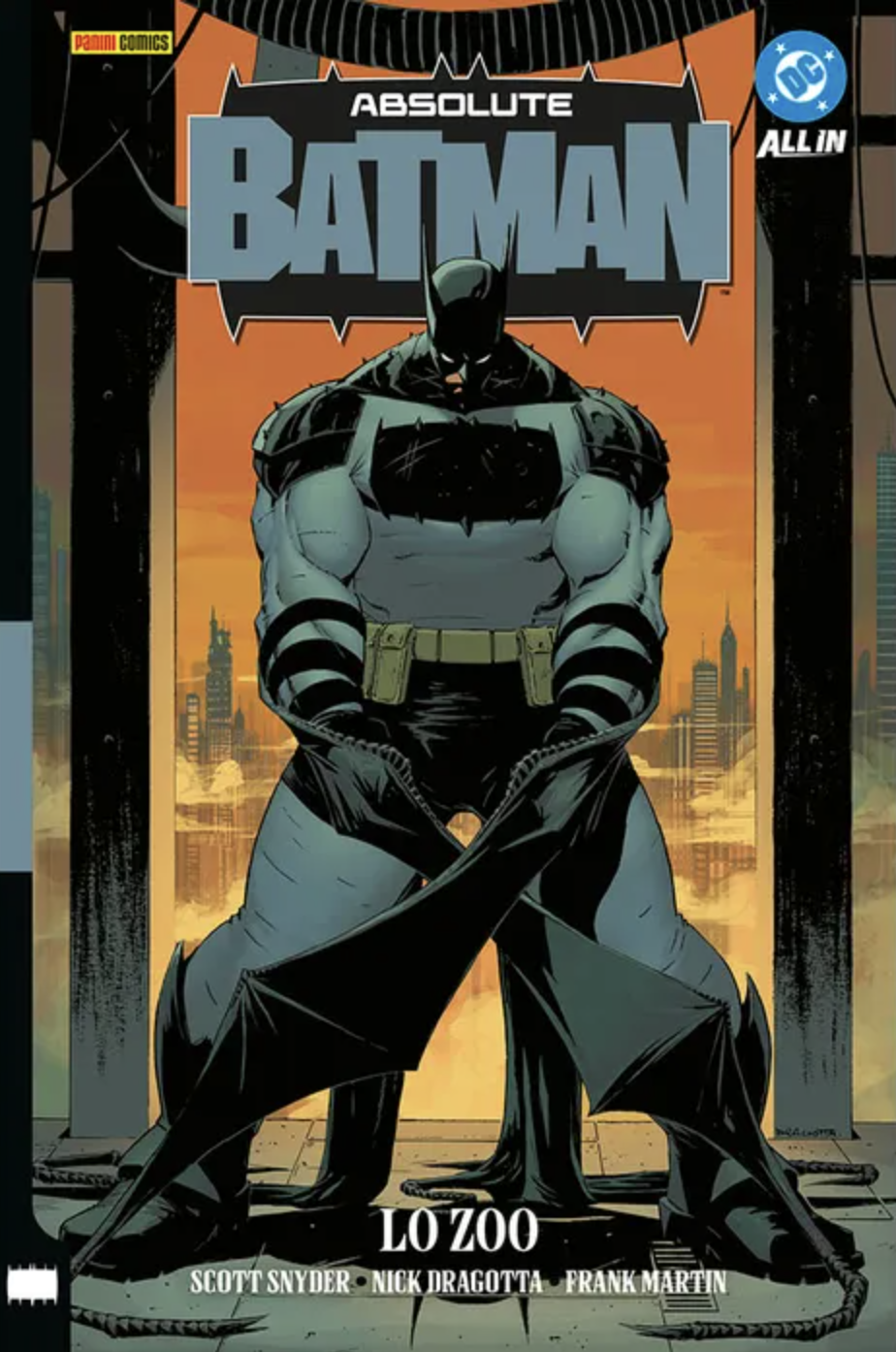
Absolute Batman 1

USA 2024–2025
Snyder / Dragotta 2024
Copertina Absolute Batman vol. 1
★ Inizio dell'Absolute Universe (2024–in corso) ★ Start of the Absolute Universe (2024–ongoing) Il debutto DC più venduto da vent'anni DC's best-selling debut in twenty years
CollanaImprint
Absolute Batman vol. 1 (cartonato Panini DC)Absolute Batman vol. 1 (Panini DC hardcover)
AutoriCreators
Scott Snyder (testi), Nick Dragotta (disegni)Scott Snyder (script), Nick Dragotta (art)
ContieneContains
Absolute Batman #1–6 (2024–25), il primo arco narrativo della serieAbsolute Batman #1–6 (2024–25), the series' first story arc
AmbientazioneSetting
L'Absolute Universe: un'altra Gotham, un altro Bruce, di nuovo al primo annoThe Absolute Universe: another Gotham, another Bruce, back in year one

Perché è importante

Why it matters

Il grande esperimento DC del 2024: un universo parallelo in cui a Bruce Wayne è stato tolto tutto ciò che di solito lo rende Batman — niente miliardi, niente maggiordomo, niente villa. Qui Bruce è un ingegnere di quartiere cresciuto con la madre Martha, viva, dopo che il padre è stato ucciso in una strage allo zoo; i suoi amici d'infanzia si chiamano Oswald, Harvey, Eddie, Selina e Waylon, e il suo Batman è un colosso che combatte una Gotham in mano alla gang di Black Mask con una bat-ascia e pura forza di volontà. Un anno uno completamente riscritto, feroce e operaio.

DC's great experiment of 2024: a parallel universe in which Bruce Wayne has been stripped of everything that usually makes him Batman — no billions, no butler, no manor. Here Bruce is a working-class engineer raised by his mother Martha, alive, after his father was killed in a mass shooting at the zoo; his childhood friends are named Oswald, Harvey, Eddie, Selina and Waylon, and his Batman is a colossus fighting a Gotham in the grip of Black Mask's gang with a bat-axe and sheer willpower. A completely rewritten year one, ferocious and blue-collar.

Il suo ruolo nella collezione

Its role in the collection

Dialoga direttamente con il mio volume 11: stesso Scott Snyder della Corte dei Gufi, tredici anni dopo, che riparte da zero in un universo opposto. Nella timeline sta accanto a Dannato, nel blocco delle Gotham parallele: un altro presente possibile, prima dei futuri di Miller. Absolute Batman #1 è stato il debutto DC più venduto degli ultimi vent'anni, con oltre mezzo milione di copie.

It speaks directly to my volume 11: the same Scott Snyder of The Court of Owls, thirteen years later, starting from scratch in an opposite universe. In the timeline it sits beside Damned, in the block of parallel Gothams: another possible present, before Miller's futures. Absolute Batman #1 was DC's best-selling debut in twenty years, with over half a million copies.

Oltre la carta: è il libro che ha lanciato la linea Absolute (con Absolute Superman e Absolute Wonder Woman), il caso editoriale DC del decennio e la spina dorsale dell'iniziativa "DC All In". La serie prosegue mese per mese negli USA: è, insieme a Punto e a capo sul versante Marvel, il capitolo ancora "vivo" delle mie collezioni.
Beyond the page: this is the book that launched the Absolute line (with Absolute Superman and Absolute Wonder Woman), DC's publishing sensation of the decade and the backbone of the "DC All In" initiative. The series continues month by month in the US: together with Punto e a capo on the Marvel side, it is the still-"alive" chapter of my collections.
14FuturoFuture

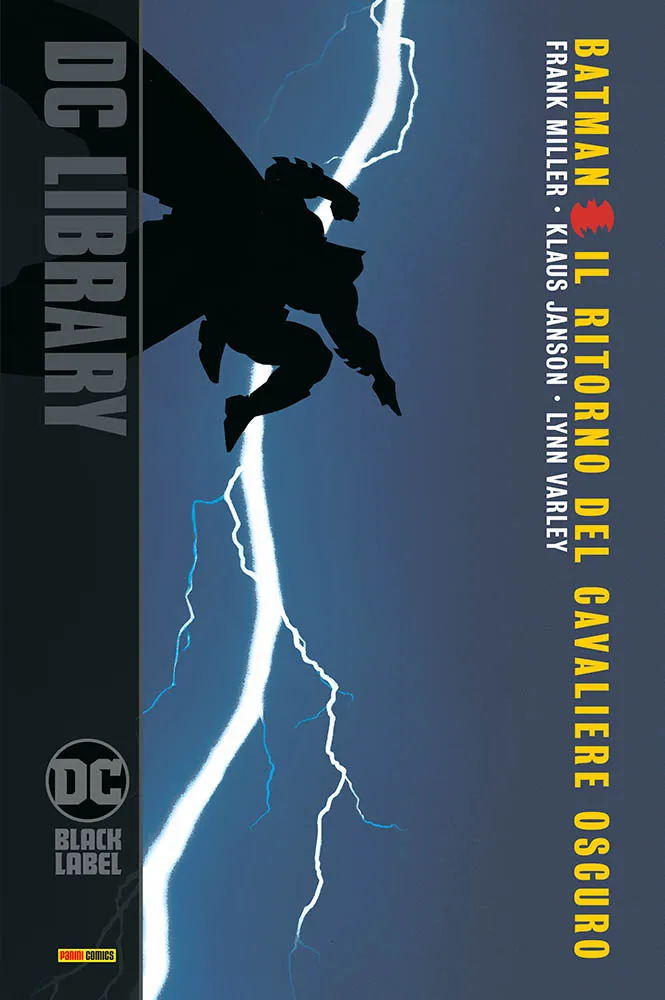
Il ritorno del Cavaliere OscuroThe Dark Knight Returns

USA 1986
Frank Miller 1986
Copertina Batman: Il ritorno del Cavaliere Oscuro
Il fumetto che cambiò Batman The comic that changed Batman ★ Inizio del dittico di Miller ★ Start of Miller's diptych
CollanaImprint
DC Library (cartonato)DC Library (hardcover)
AutoriCreators
Frank Miller (testi e disegni), con Klaus Janson e Lynn VarleyFrank Miller (script and art), with Klaus Janson and Lynn Varley
ContieneContains
Batman: The Dark Knight Returns #1–4 (1986)
AmbientazioneSetting
Futuro possibile: Bruce Wayne ha 55 anni, ritirato da dieciA possible future: Bruce Wayne is 55, retired for ten years

Perché è importante

Why it matters

Semplicemente il fumetto che ha reinventato Batman: in una Gotham allo sbando e in un'America da guerra fredda, un Bruce Wayne invecchiato e tormentato rindossa il mantello contro i Mutanti, un Due Facce irrecuperabile e un Joker in gran finale, fino alla resa dei conti con un Superman ridotto ad arma del governo. Uscito nel 1986 in coppia ideale con Watchmen, ha trasformato il "fumetto di supereroi" in letteratura adulta e ha cancellato per sempre l'ombra del Batman ingenuo televisivo.

Quite simply the comic that reinvented Batman: in a Gotham in freefall and a Cold War America, an aged, tormented Bruce Wayne dons the cape again against the Mutants, a Two-Face beyond saving and a Joker taking his grand finale, all the way to the reckoning with a Superman reduced to a government weapon. Released in 1986 as the ideal companion to Watchmen, it turned the "superhero comic" into adult literature and erased forever the shadow of the campy TV Batman.

Curiosità

Trivia

La nuova Robin è una ragazzina, Carrie Kelley — una rivoluzione all'epoca. E la sequenza dello scontro finale con Superman è probabilmente la scena più imitata della storia del fumetto americano.

The new Robin is a young girl, Carrie Kelley — a revolution at the time. And the final showdown with Superman is probably the most imitated scene in the history of American comics.

Oltre la carta: Batman v Superman (2016) ne adatta dichiaratamente l'armatura e lo scontro finale, il finale di Il cavaliere oscuro - Il ritorno di Nolan ne riprende l'epilogo, e l'adattamento animato in due parti (2012–13) è tra i più fedeli mai realizzati. Ogni Batman "vecchio e brutale", videogiochi inclusi, discende da qui.
Beyond the page: Batman v Superman (2016) openly adapts its armor and final battle, the ending of Nolan's The Dark Knight Rises echoes its epilogue, and the two-part animated adaptation (2012–13) is among the most faithful ever made. Every "old and brutal" Batman, video games included, descends from here.
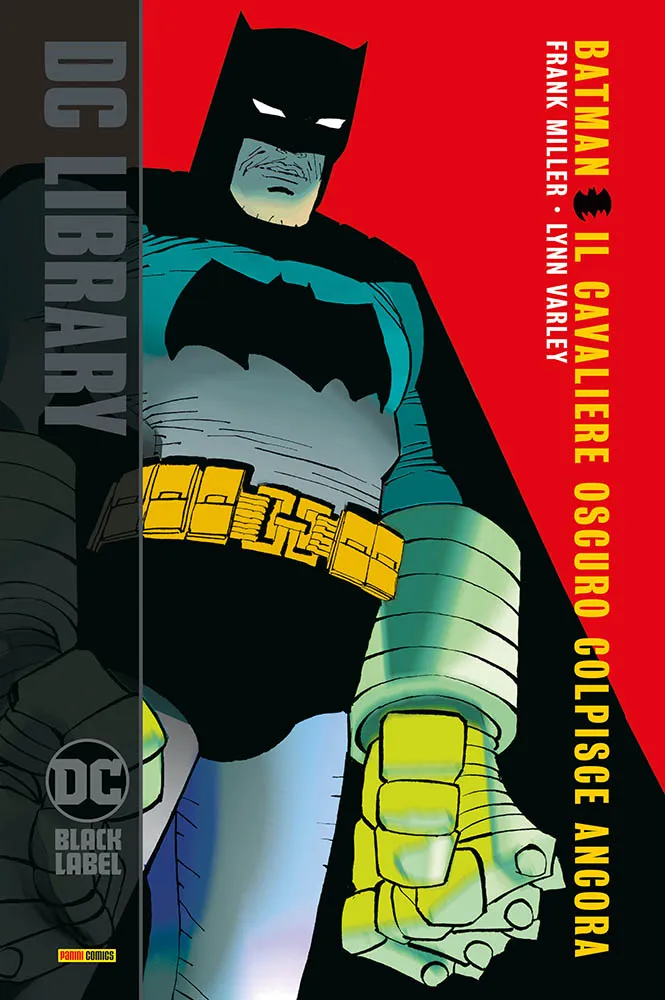
15Futuro +3Future +3

Il Cavaliere Oscuro colpisce ancoraThe Dark Knight Strikes Again

USA 2001–2002
Frank Miller 2001
Copertina Batman: Il Cavaliere Oscuro colpisce ancora
Seguito diretto del Ritorno Direct sequel to The Dark Knight Returns Il più divisivo della collezione The most divisive in the collection
CollanaImprint
DC Library (cartonato)DC Library (hardcover)
AutoriCreators
Frank Miller (testi e disegni), colori di Lynn VarleyFrank Miller (script and art), colors by Lynn Varley
ContieneContains
Batman: The Dark Knight Strikes Again #1–3 (2001–02)
AmbientazioneSetting
Tre anni dopo il Ritorno: la distopia al suo culmineThree years after The Dark Knight Returns: the dystopia at its peak

Perché è importante

Why it matters

Il seguito che nessuno si aspettava così: tre anni dopo la falsa morte di Bruce, l'America è una dittatura mediatica governata nell'ombra da Lex Luthor e Brainiac, i supereroi sono prigionieri o collaborazionisti, e Batman guida la rivoluzione con Carrie Kelley (ora Catgirl) e un esercito di ex eroi da liberare. Miller abbandona il realismo cupo del primo capitolo per una satira pop deliberatamente sguaiata, dai colori digitali acidi di Lynn Varley. All'uscita fu accolto con freddezza; col tempo è stato in parte rivalutato come profezia sull'era dei media e della politica-spettacolo.

The sequel nobody expected to be like this: three years after Bruce's faked death, America is a media dictatorship ruled from the shadows by Lex Luthor and Brainiac, superheroes are prisoners or collaborators, and Batman leads the revolution with Carrie Kelley (now Catgirl) and an army of former heroes to set free. Miller abandons the grim realism of the first chapter for a deliberately brash pop satire, in Lynn Varley's acid digital colors. It was received coldly on release; over time it has been partly reappraised as a prophecy of the era of media and politics-as-spectacle.

Oltre la carta: chiude (insieme al successivo Ultimo Crociato e al terzo capitolo DK III) l'universo narrativo del "Dark Knight" di Miller, il futuro alternativo più influente della DC. La sua estetica satirico-distopica riecheggia in tante Gotham del futuro viste poi in serie animate e videogiochi.
Beyond the page: together with the later Last Crusade and the third chapter DK III, it closes Miller's "Dark Knight" narrative universe, DC's most influential alternate future. Its satirical-dystopian aesthetic echoes through the many future Gothams later seen in animated series and video games.

La mappa in una tabella

The map in one table

#VolumeAutoriCreatorsAlbi USAUS issuesAmbientazioneSettingRuoloRole
1DC Classic: Batman 1Kane, FingerDetective Comics #27 e segg. + Batman #1 (1939–40)Anno zeroOrigine di tutto
1DC Classic: Batman 1Kane, FingerDetective Comics #27 onward + Batman #1 (1939–40)Year zeroOrigin of everything
2Anno UnoMiller, MazzucchelliBatman #404–407 (1987)Anno 1Origine moderna
2Year OneMiller, MazzucchelliBatman #404–407 (1987)Year 1Modern origin
3L’uomo che rideBrubaker, MahnkeThe Man Who Laughs (2005)Anno 1Primo scontro col Joker
3The Man Who LaughsBrubaker, MahnkeThe Man Who Laughs (2005)Year 1First clash with the Joker
4Il lungo HalloweenLoeb, SaleThe Long Halloween #1–13 (1996–97)Anno 2Inizio trilogia Loeb/Sale
4The Long HalloweenLoeb, SaleThe Long Halloween #1–13 (1996–97)Year 2Start of the Loeb/Sale trilogy
5Vittoria oscuraLoeb, SaleDark Victory #0–13 (1999–2000)Anno 3Seguito + origine di Robin
5Dark VictoryLoeb, SaleDark Victory #0–13 (1999–2000)Year 3Sequel + Robin's origin
6Vacanze romaneLoeb, SaleCatwoman: When in Rome #1–6 (2004–05)Parallela a Vittoria oscuraChiusura trilogia
6When in RomeLoeb, SaleCatwoman: When in Rome #1–6 (2004–05)Parallel to Dark VictoryCloses the trilogy
7The Killing JokeMoore, BollandGraphic novel (1988)Carriera maturaCapolavoro autoconclusivo
7The Killing JokeMoore, BollandGraphic novel (1988)Mature careerSelf-contained masterpiece
8Arkham AsylumMorrison, McKeanGraphic novel (1989)Carriera maturaCapolavoro autoconclusivo
8Arkham AsylumMorrison, McKeanGraphic novel (1989)Mature careerSelf-contained masterpiece
9HushLoeb, Jim LeeBatman #608–619 (2002–03)PresenteGrande evento
9HushLoeb, Jim LeeBatman #608–619 (2002–03)PresentBlockbuster event
10Batman di Grant Morrison 1Morrison, KubertBatman #655 e segg. (2006–08)PresenteInizio run Morrison
10Batman di Grant Morrison 1Morrison, KubertBatman #655 onward (2006–08)PresentStart of the Morrison run
11La corte dei gufiSnyder, CapulloBatman (2011) #1–7PresenteInizio run Snyder/Capullo
11The Court of OwlsSnyder, CapulloBatman (2011) #1–7PresentStart of the Snyder/Capullo run
12DannatoAzzarello, BermejoBatman: Damned #1–3 (2018–19)Presente fuori continuityL'incubo Black Label
12DamnedAzzarello, BermejoBatman: Damned #1–3 (2018–19)Present, out of continuityThe Black Label nightmare
13Absolute Batman 1Snyder, DragottaAbsolute Batman #1–6 (2024–25)Altro universo: anno 1Inizio Absolute Universe
13Absolute Batman 1Snyder, DragottaAbsolute Batman #1–6 (2024–25)Another universe: year 1Start of the Absolute Universe
14Il ritorno del Cavaliere OscuroMillerThe Dark Knight Returns #1–4 (1986)Futuro: Bruce 55enneInizio dittico di Miller
14The Dark Knight ReturnsMillerThe Dark Knight Returns #1–4 (1986)Future: Bruce at 55Start of Miller's diptych
15Il Cavaliere Oscuro colpisce ancoraMillerThe Dark Knight Strikes Again #1–3 (2001–02)Futuro, tre anni dopoChiusura del dittico
15The Dark Knight Strikes AgainMillerThe Dark Knight Strikes Again #1–3 (2001–02)Future, three years laterCloses the diptych

L'ordine della collezione segue la cronologia interna delle storie, non quella di pubblicazione: The Killing Joke (1988) e Il ritorno del Cavaliere Oscuro (1986) sono usciti prima della trilogia di Loeb e Sale, ma raccontano un Batman più avanti negli anni. Dannato e Absolute Batman, essendo fuori continuity, sono collocati per affinità: due Gotham parallele che fanno da anticamera ai futuri possibili di Miller. Nota che, a differenza di Spider-Man, queste sono in gran parte storie autonome: ognuna si legge da sola, e l'ordine serve a costruire la parabola completa del personaggio.

The collection's order follows the internal chronology of the stories, not publication order: The Killing Joke (1988) and The Dark Knight Returns (1986) came out before the Loeb and Sale trilogy, but depict a Batman further along in years. Damned and Absolute Batman, being out of continuity, are placed by affinity: two parallel Gothams serving as an antechamber to Miller's possible futures. Note that, unlike Spider-Man, these are largely standalone stories: each one reads on its own, and the order serves to build the character's complete arc.

Come si incastrano

How they fit together

Sette blocchi narrativi: le origini del mito, antiche e moderne, con L'uomo che ride a saldare Anno Uno al debutto del Joker (volumi 1–3); la Gotham noir della trilogia Loeb/Sale, prosecuzione diretta di Anno Uno e saga in tre atti sulla caduta dei Falcone (volumi 4–6); il trittico autoriale di fine anni Ottanta — Moore e Morrison, due discese nella psiche pubblicate a un anno di distanza (volumi 7–8); il presente in tre movimenti: il mistero di Hush, l'epica familiare di Morrison, il mito urbano della Corte (volumi 9–11); l'incubo fuori continuity di Dannato, erede diretto di Arkham Asylum trent'anni dopo (volume 12); l'anno uno parallelo dell'Absolute Universe, dove Snyder riscrive da zero il proprio Batman (volume 13); e il futuro apocalittico di Miller, dittico da leggere in sequenza (volumi 14–15). Con Anno Uno in collezione, Miller apre e chiude la parabola: il primo anno e l'ultimo.

Seven narrative blocks: the origins of the myth, ancient and modern, with The Man Who Laughs welding Year One to the Joker's debut (volumes 1–3); the noir Gotham of the Loeb/Sale trilogy, direct continuation of Year One and a three-act saga on the fall of the Falcones (volumes 4–6); the late-eighties auteur triptych — Moore and Morrison, two descents into the psyche published a year apart (volumes 7–8); the present in three movements: the mystery of Hush, Morrison's family epic, the urban myth of the Court (volumes 9–11); the out-of-continuity nightmare of Damned, direct heir to Arkham Asylum thirty years on (volume 12); the parallel year one of the Absolute Universe, where Snyder rewrites his own Batman from scratch (volume 13); and Miller's apocalyptic future, a diptych to be read in sequence (volumes 14–15). With Year One in the collection, Miller opens and closes the arc: the first year and the last.

Espansioni coerenti: Morte in famiglia (1988) per il trauma di Jason Todd accanto a Killing Joke; i tomi 2 e 3 della run di Morrison e i seguiti di Snyder (Morte della famiglia, Anno Zero) per completare i due filoni del presente; Joker di Azzarello e Bermejo, il gemello di Dannato; DK III: Razza suprema per trasformare il dittico di Miller in trilogia; i volumi successivi di Absolute Batman per proseguire l'altro universo; Batman: Ego di Darwyn Cooke per il versante psicologico e Gotham Central di Brubaker e Rucka per la Gotham vista con gli occhi dei poliziotti.

Coherent expansions: A Death in the Family (1988) for Jason Todd's trauma alongside Killing Joke; tomes 2 and 3 of Morrison's run and Snyder's follow-ups (Death of the Family, Zero Year) to complete the two present-day strands; Azzarello and Bermejo's Joker, the twin of Damned; DK III: The Master Race to turn Miller's diptych into a trilogy; the later volumes of Absolute Batman to continue the other universe; Darwyn Cooke's Batman: Ego for the psychological side and Brubaker and Rucka's Gotham Central for Gotham seen through the eyes of its cops.